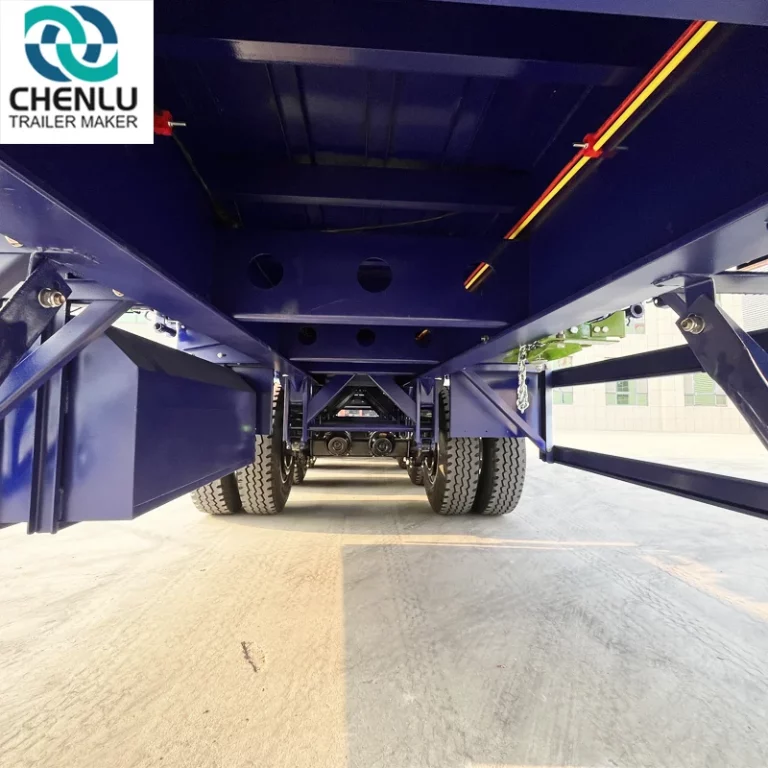
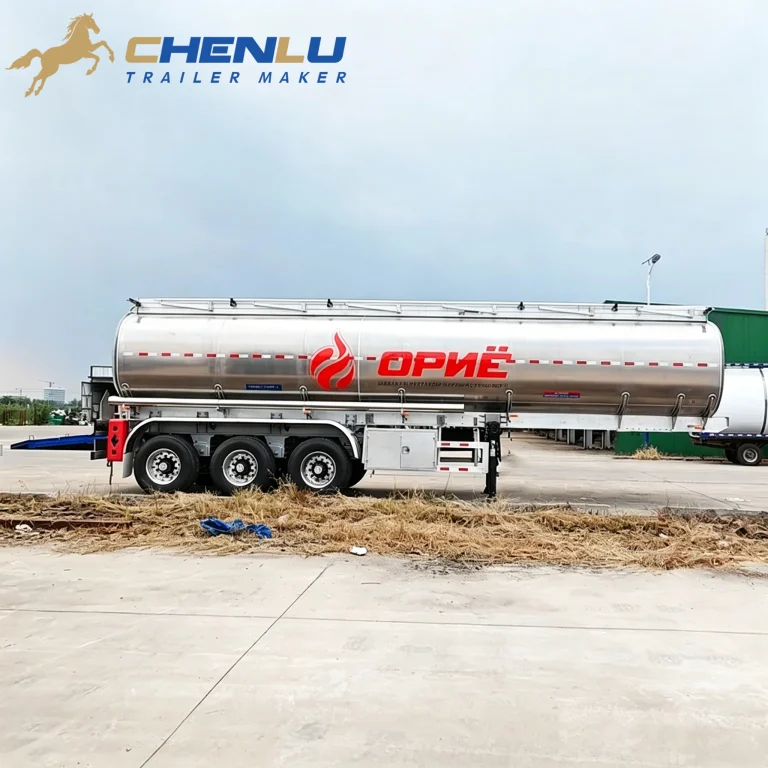
Choosing the wrong tank trailer can lead to cargo contamination, excess tare weight, slow unloading, or compliance problems. These risks grow when buyers compare only price or gallon capacity. The better solution is to match the tanker material, compartments, chassis, discharge system, and safety equipment to the actual cargo.
Tank trailers for sale include fuel tanker trailers, aluminum tankers, stainless steel tanks, chemical tanks, and pneumatic dry bulk trailers. The right tanker trailer depends on cargo compatibility, tank capacity, compartment layout, axle configuration, unloading method, road conditions, and local regulations.
What Is a Tank Trailer?
A tank trailer is a semi-trailer built around a tank body rather than a flat cargo platform. It is used to transport liquids or dry bulk materials that need sealed containment.
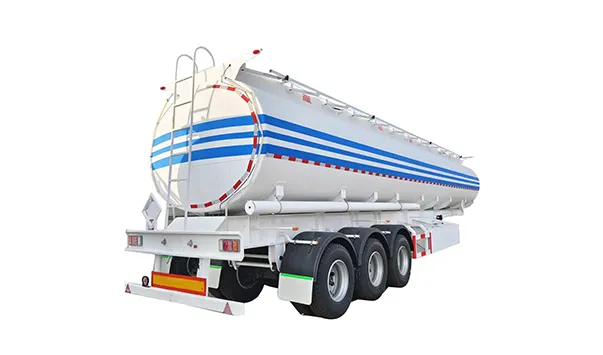
Typical applications include gasoline, diesel, petroleum products, compatible chemicals, edible liquids, cement, fly ash, lime, and other powders. CHENLU currently manufactures fuel tanker, aluminum tanker, and bulk cement tanker solutions for liquid and powder logistics.
Not every tanker can carry every product. A fuel tanker trailer, food grade tanker, acid tank trailer, and pneumatic tank trailer may look similar from a distance, but their materials and internal systems are very different.
Which Tanker Trailer Fits Different Cargo?
The cargo should decide the trailer—not the other way around.
| Tanker Type |
Typical Cargo |
Main Design Focus |
| Fuel tank trailer |
Gasoline, diesel, petroleum |
Compartments, valves, vapor control |
| Aluminium-Tankwagen |
Fuel and compatible liquids |
Lower tare weight, corrosion resistance |
| Stainless steel tanker |
Food grade or selected chemical liquids |
Cleanliness, corrosion compatibility |
| Carbon steel tank trailer |
Compatible petroleum/industrial liquids |
Strength and cost control |
| Pneumatic tank trailer |
Cement, fly ash, lime |
Air compressor and rear discharge |
| Asphalt tanker |
Hot asphalt |
Insulation and heat retention |
A buyer searching tanker trailers for sale should first define cargo density, temperature, corrosion level, legal requirements, and unloading method.
Why Do Fuel Tanker Trailers Use Compartments?
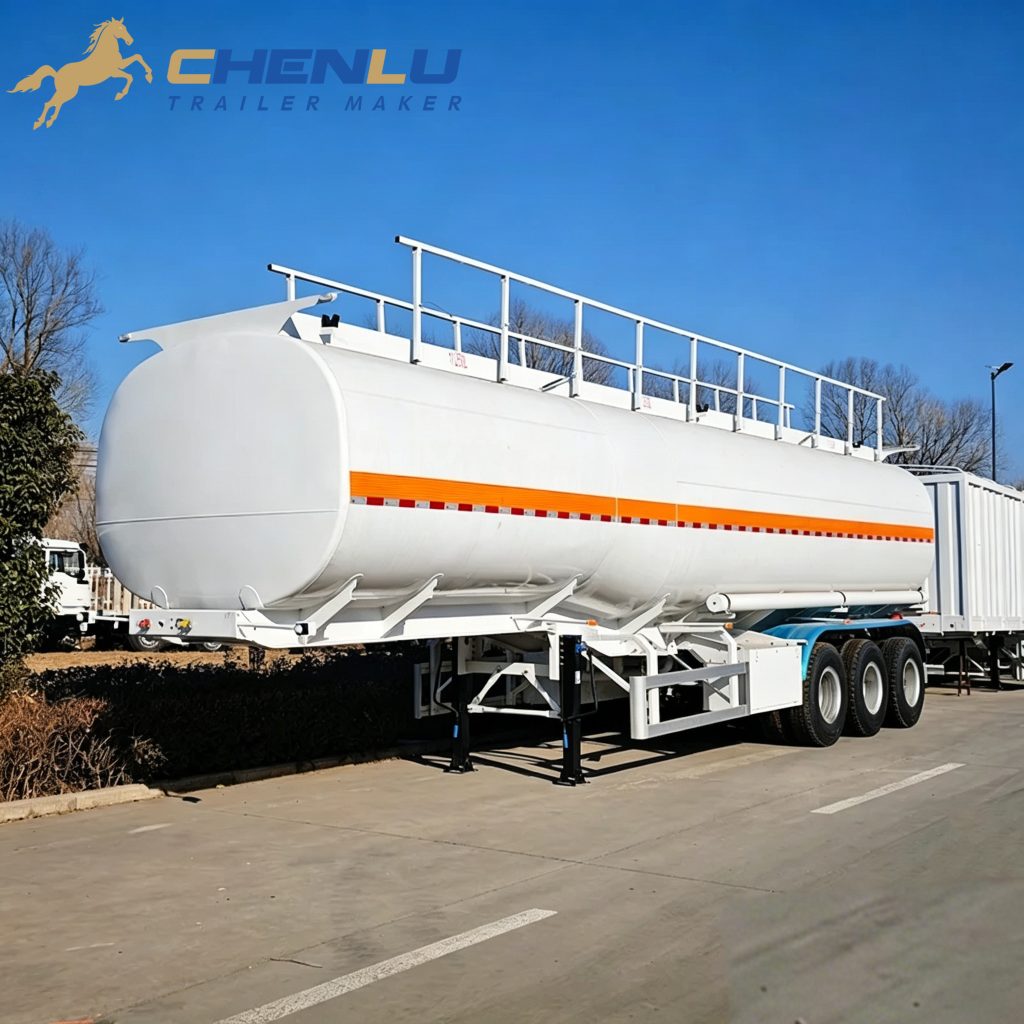
A Tankauflieger often uses more than one compartment so the fleet can carry different petroleum products in the same delivery route without mixing them.
CHENLU’s current aluminum tanker range includes a 40,000-liter model with a multi-compartment structure and optional vapor recovery, insulation, and pump equipment. The actual number and volume of each compartment should be confirmed according to the customer’s delivery plan.
For distributors serving several fuel stations, the right compartment design may improve delivery flexibility and reduce empty return mileage.
Why Choose an Aluminum Fuel Tanker?
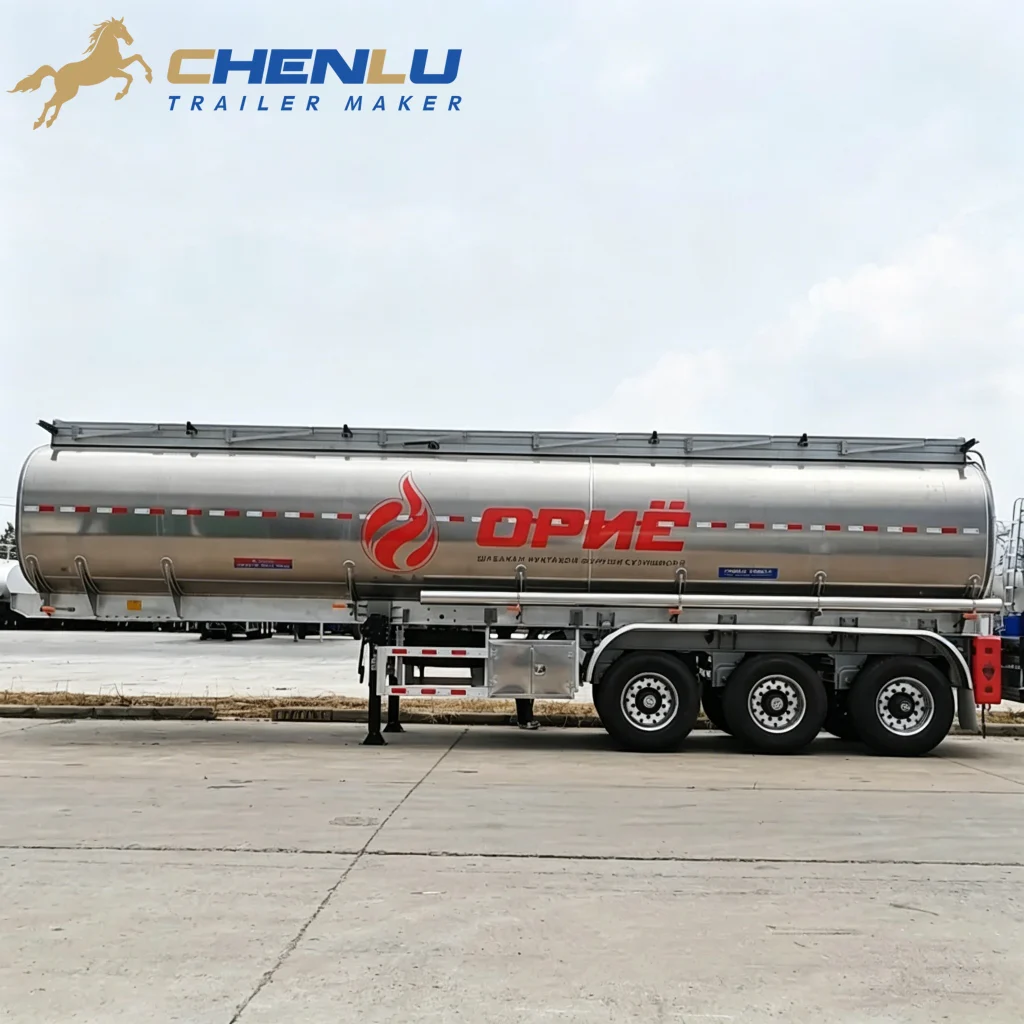
An aluminum barrel or aluminum tank structure can reduce tare weight compared with many conventional steel designs. This may leave more of the legal vehicle weight available for cargo.
It also provides natural corrosion resistance, which is useful for suitable petroleum applications. However, material compatibility must always be checked before loading a new liquid.
For this reason, gallon capacity alone should never determine the purchase. Axle limits, tractor weight, road regulations, compartments, pumps, valves, and actual fuel density also affect usable payload.
When Is Stainless Steel or Food Grade Construction Needed?
Edelstahl is commonly considered when cleanliness or corrosion compatibility is more important than the lowest initial cost. Applications may include selected chemicals and certain food grade liquids.
A stainless steel food grade semi tank requires more than a shiny tank surface. Buyers should review internal finish, cleaning access, valves, seals, contamination risks, and the exact product being transported.
Likewise, an acid tank trailer should never be selected only because it uses stainless steel. Chemical compatibility must be confirmed for the exact acid, concentration, temperature, seals, valves, and tank material.
How Does a Pneumatic Dry Bulk Trailer Work?
A dry bulk trailer carries powder rather than liquid. Common products include cement, fly ash, lime, and selected industrial powders.
A pneumatic tank uses compressed air to fluidize the material and move it through the discharge pipe. A typical system includes:
- Luftkompressor
- Aeration system
- Tank cones
- Discharge valves
- Luftleitungen
- Hose connections
- Rear discharge system
CHENLU currently positions its Zementtankschiff family around V- or W-shaped tanks and pneumatic unloading. Its published category range is commonly 30–60 m³, although the final usable volume must be confirmed against product density and legal payload.

What Does “Non Code Tank Trailer” Mean?
Searches for a non code tank trailer or non code tank usually relate to tanks used for products that do not require a specific regulated hazardous-material cargo-tank specification in that market.
This should never be treated as a shortcut around regulations.
For example, a U.S. DOT 406 fuel tanker must meet the applicable DOT cargo-tank design and construction rules. U.S. regulations specifically set requirements for DOT 406, DOT 407, and DOT 412 cargo tanks, including structural design, outlets, pressure relief, testing, marking, and certification.
So a generic fuel tank trailer should not automatically be advertised as DOT 406 compliant unless the exact unit has the required design, inspection, testing, and certification.
What Tank Trailer Options Matter to Fleet Buyers?
Whether you compare new tank trailers, used tank trailers for sale, or factory-built export equipment, the most important details are operational.
A complete specification may include:
- Tank material and capacity
- Gallon or liter volume
- Compartment number
- Tank wall thickness
- Achsnummer und Marke
- Mechanical or air ride suspension
- Fuel pump and flow rate
- Bottom loading
- Emergency shutoff
- Dampfrückgewinnung
- Anti-overflow system
- Valves and hoses
- Manholes and safety rails
- Pneumatic compressor
- Reifen und Felgen
- Bremssystem
- Color and fleet logo
North American trailer sales searches may also include brands such as Polar, MAC LTT, MAC Trailer, or used inventory listings. Those references can help buyers compare the market, but specifications from one make and model should not be copied directly to another trailer.
Why Does OEM Tanker Manufacturing Matter?
As a professional semi trailer manufacturer in China, we design trailers around the customer’s cargo, road conditions, regulations, unloading process, and fleet requirements.
For fuel fleets, this may mean changing tank capacity, compartment layout, axle configuration, pump system, or vapor recovery equipment. For dry bulk operators, the priority may be compressor performance, tank volume, material flow, discharge speed, and residue control.
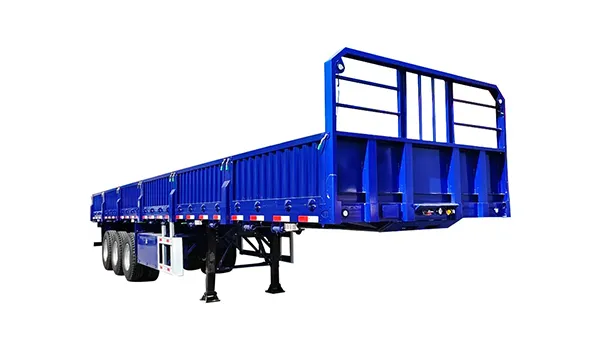
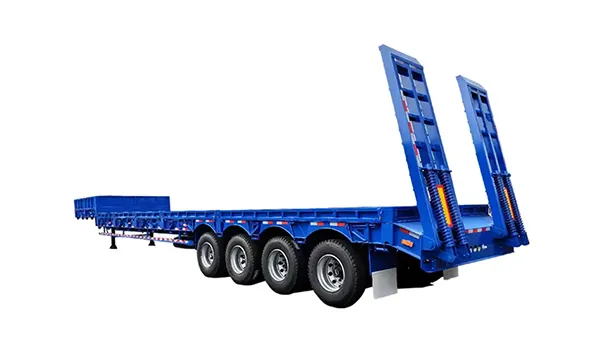
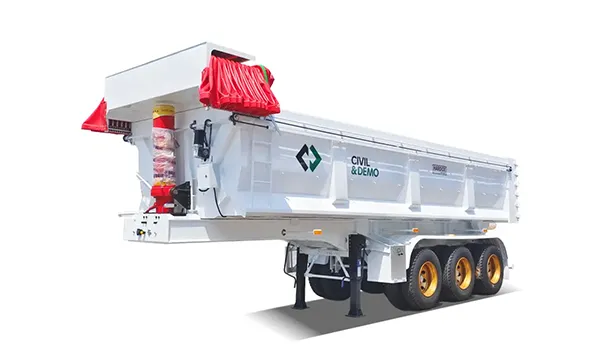
CHENLU also produces flatbed semi trailers, skeleton container trailers, lowbed trailers, dump trailers, car carriers, trucks, and other heavy-duty transport equipment, allowing project buyers and distributors to coordinate multiple trailer types with one manufacturing partner.
Häufig gestellte Fragen
How many gallons can a tanker trailer carry?
Capacity varies by tank design, axle configuration, material, cargo density, and local weight laws. Buyers should confirm both gross tank volume and legal usable payload rather than comparing gallon capacity alone.
Can one fuel tanker carry different products?
Yes. A multi-compartment fuel tank can separate compatible products such as different petroleum grades. The exact compartment arrangement must be designed for the delivery operation.
Is aluminum better than steel for a fuel tanker?
Aluminum can offer weight savings and corrosion resistance. Steel may provide cost and structural advantages for other applications. The correct material depends on cargo, roads, budget, and regulations.
Is a pneumatic tank trailer suitable for liquid cargo?
No. A pneumatic tank trailer is designed around dry bulk powder and compressed-air discharge. A liquid tanker uses different valves, internal structures, and unloading systems.
Can a tanker trailer use air ride suspension?
Yes, air ride suspension can be considered for some tanker applications. Mechanical suspension may also be preferred for rough roads or simpler maintenance. Final selection depends on the market and duty cycle.
What information should I send before requesting a quotation?
Send the cargo name, capacity, destination country, road conditions, required compartments, axle preference, unloading method, applicable standards, and expected order quantity.



 20 September 2026