Semi Trailer Maintenance Checklist for Fleet Operators
07 September 2026
CHENLU-Entwicklungsteam | Trailer Engineering and Customization Team | Updated September 7, 2026
A semi trailer maintenance checklist turns routine observations into repeatable fleet work. Use it before every trip, at planned service intervals and after severe loading or road conditions. The checks below cover the frame, running gear, brakes, tires, lighting and cargo equipment without replacing the inspection rules that apply in your operating market.
Record defects against the trailer identification number so repairs can be traced.
Why a written checklist matters
A trailer can look serviceable while a loose fastener, air leak or uneven tire wear is developing. A written checklist gives drivers and fleet managers the same inspection sequence, creates a record for escalation and helps separate a defect that stops a trip from a condition that can be scheduled.
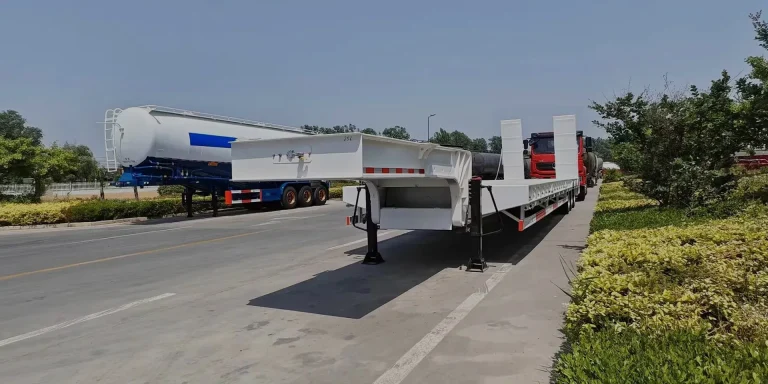
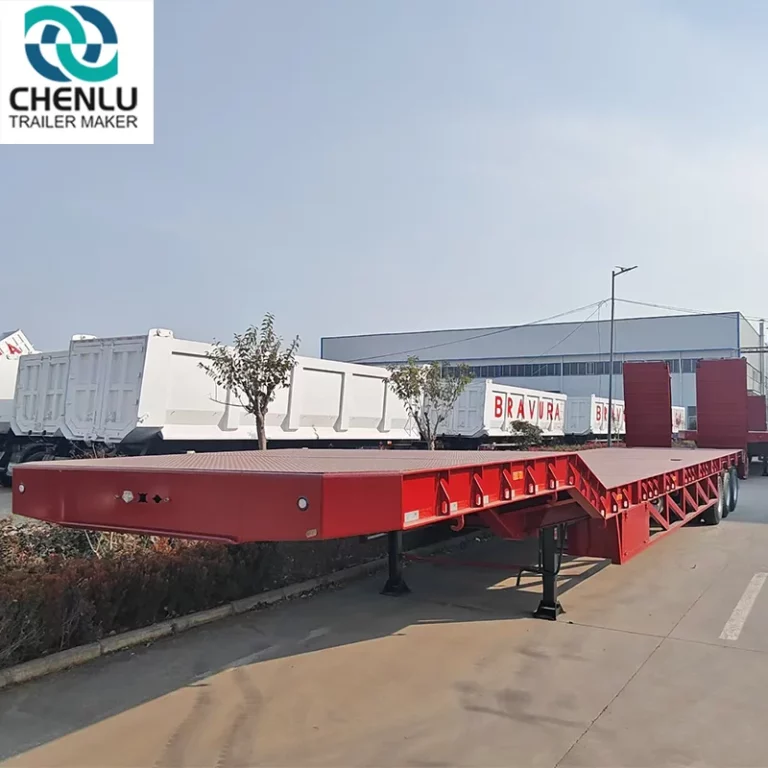
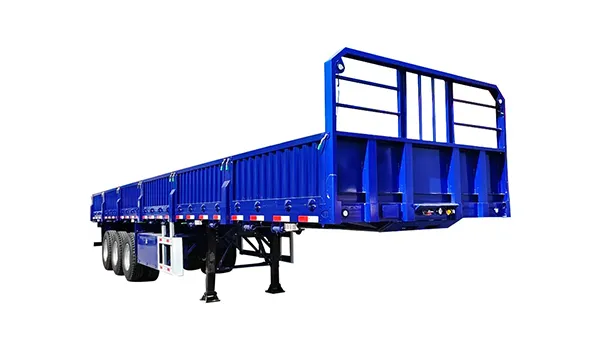
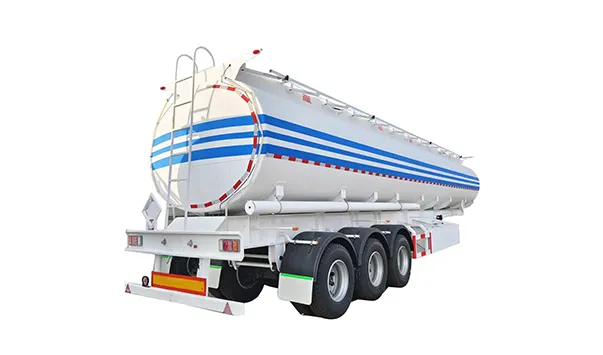
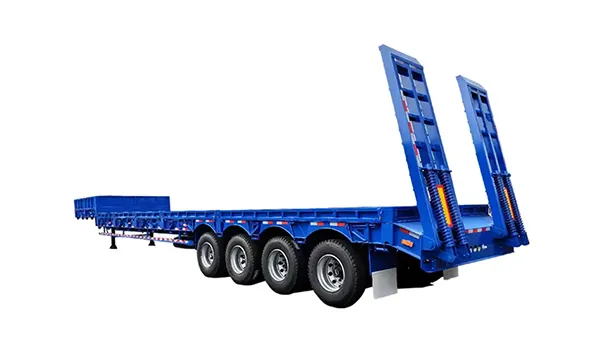
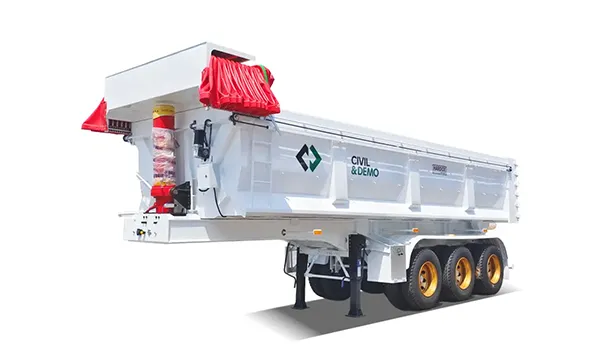
The checklist is a management tool, not a substitute for the destination authority’s inspection or brake requirements. CHENLU supplies different trailer structures, including flatbed, lowbed, tanker and dump configurations, so the cargo system and running gear must be checked against the purchased specification.
Before every trip: the fast safety walk-around
Frame and coupling: Look for cracks, deformation, fresh weld damage, loose cross-members and damage around the kingpin, fifth-wheel plate, landing gear and safety connections. Confirm the locking mechanism is fully engaged.
Axles, suspension and wheels: Check axle and spring or air-suspension components for damage, shifted parts and leaks. Inspect wheel nuts, rims and hub areas for looseness, heat marks or lubricant leakage.
Tires: Check inflation against the fleet’s approved setting, tread condition, sidewalls and valve stems. Uneven wear can indicate alignment, loading or suspension problems rather than a tire-only fault.
Brakes and air lines: Inspect hoses, couplers, chambers and visible wiring. Build air pressure, listen for leaks and confirm the service and parking brake controls respond as required by the tractor and local procedure.
Lights and conspicuity: Test stop, tail, turn, marker and clearance lamps. Clean lenses and replace damaged reflectors before the trailer enters public roads.
Cargo equipment: Check deck condition, twist-locks, side gates, curtains, chains, binders, pockets, tarpaulin systems and any hydraulic equipment fitted to the model. A restraint must be locked, not merely present.
Weekly or mileage-based checks
Use the fleet’s mileage or operating-hour trigger, whichever comes first. Clean mud, coal dust, salt and cement residue from areas where it can hide cracks or corrode fittings. Compare tire wear across the axle group and inspect brake adjustment, air reservoirs, drain valves and electrical connectors.
Lubricate pins, hinges, landing-gear points and other serviceable joints according to the component supplier’s instructions. Do not grease sealed parts or change brake settings without the correct procedure. Record the date, odometer or operating hours, technician and parts used.
Monthly structural and running-gear review
Area
What to inspect
Escalation trigger
Chassis and cross-members
Cracks, distortion, corrosion, loose fasteners and damaged weld zones
Any crack, permanent deformation or fastener movement requires a technical assessment before loading
Suspension and axles
Springs, hangers, air bags, torque arms, U-bolts and axle alignment evidence
Uneven ride height, abnormal tire wear or a shifted component requires inspection and measurement
Bremssystem
Hoses, chambers, valves, drums or discs, lining condition and response
Air loss, delayed response, overheating or unequal braking requires controlled repair
Deck and load restraints
Floor, twist-locks, pockets, gates, posts, curtains, chains and binders
A restraint that will not lock or a damaged load-bearing part must be removed from service
Electrical and safety equipment
Harnesses, lamps, reflectors, guards, underrun protection and warning markings
Missing lighting or damaged protection that affects road safety must be corrected first
Checks after heavy, dusty or corrosive work
Mining, construction, coastal and winter routes can shorten service intervals. After a heavy haul, inspect loading ramps, deck contact points, tie-down anchors, hydraulic cylinders and weld zones near concentrated loads. After salt or chemical exposure, wash the affected surfaces using a process compatible with the trailer material and inspect for coating breakdown.
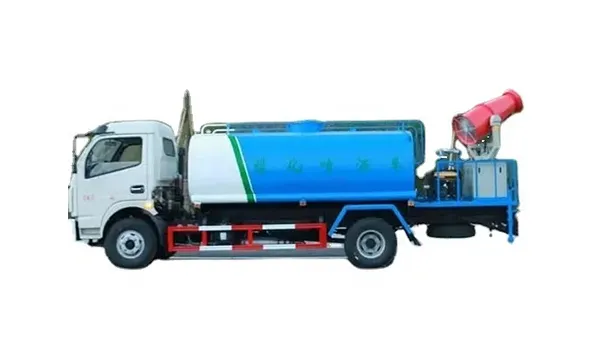
For tankers, add manholes, valves, hoses, grounding equipment, vapor-recovery hardware and signs of leakage to the checklist. For dump trailers, inspect the hydraulic cylinder, pivots, body floor, tailgate and locking mechanism. For lowbed trailers, inspect loading ramps, gooseneck or detachable connections and deck transition points. The product configuration determines the extra checks.
Common maintenance mistakes to avoid
Checking only the tires: Tire condition cannot confirm axle alignment, brake balance or frame integrity.
Repairing by appearance: A new coat of paint can hide corrosion or a crack. Clean and inspect the base material first.
Ignoring partial loads: Uneven or concentrated cargo can change axle loading and suspension behavior even when the gross weight is within the stated limit.
Mixing parts without records: Different brake, tire or suspension components may change the approved setup. Record part numbers and confirm compatibility.
How to manage defects and records
Identify the trailer, date, location and operating condition when the defect was found.
Describe the observation with a photo or measurement where useful; avoid vague notes such as “looks bad.”
Classify the item as stop, restrict or schedule according to the fleet’s approved safety procedure and local law.
Assign the repair, record the parts and technician, then verify the repair before returning the trailer to service.
Review repeat defects by trailer model, route and load type. Repeated failures may call for a configuration or interval change.
Maintenance planning for a new trailer specification
Maintenance begins when the trailer is specified. Ask for the axle and suspension model, brake system, tire size, service points, inspection access and recommended intervals. CHENLU can configure flatbed, lowbed, tanker, dump and other semi-trailer structures around cargo, route and operating conditions; those choices affect the checklist your fleet will use.
Compared with a generic trailer checklist, a model-specific schedule gives technicians the exact joints, valves, restraints and hydraulic components to inspect. It also makes spare-parts planning more reliable.
Semi trailer maintenance checklist FAQ
How often should a semi trailer be inspected?
Use a pre-trip check before each trip, then add mileage-, hour- or calendar-based inspections from the component and fleet procedures. Severe dust, salt, heavy haul or repeated loading can justify a shorter interval.
What should stop a trailer from operating?
Examples include a coupling that will not lock, a structural crack, a serious air leak, failed required lights, unsafe brakes, a damaged load restraint or a tire condition that violates the applicable road rule. Follow the responsible authority’s procedure.
Does the checklist change by trailer type?
Yes. Tankers add tank, valve and grounding checks; dump trailers add hydraulic and body checks; lowbeds add ramps and detachable connections; container trailers add twist-lock checks. The running gear still needs its normal inspection sequence.
Build a fleet-ready service schedule
Start with the pre-trip walk-around, add the monthly table to the fleet maintenance system and create model-specific rows for the cargo equipment on each trailer. Review the CHENLU service and support information, compare the semi-trailer catalogue, and contact CHENLU Trailer when you need a configuration-specific maintenance plan.
Wir werden Ihnen innerhalb von 24 Stunden antworten. Wenn für dringenden Fall, fügen Sie bitte WhatsApp/WeChat: 86-15628801159,. Oder rufen Sie direkt 86-15628801159 an.
*Wir respektieren Ihre Vertraulichkeit und alle Informationen sind geschützt.
Wir verwenden Ihre Daten nur zur Beantwortung Ihrer Anfrage und senden Ihnen niemals unaufgefordert E-Mails oder Werbenachrichten.



 07 September 2026