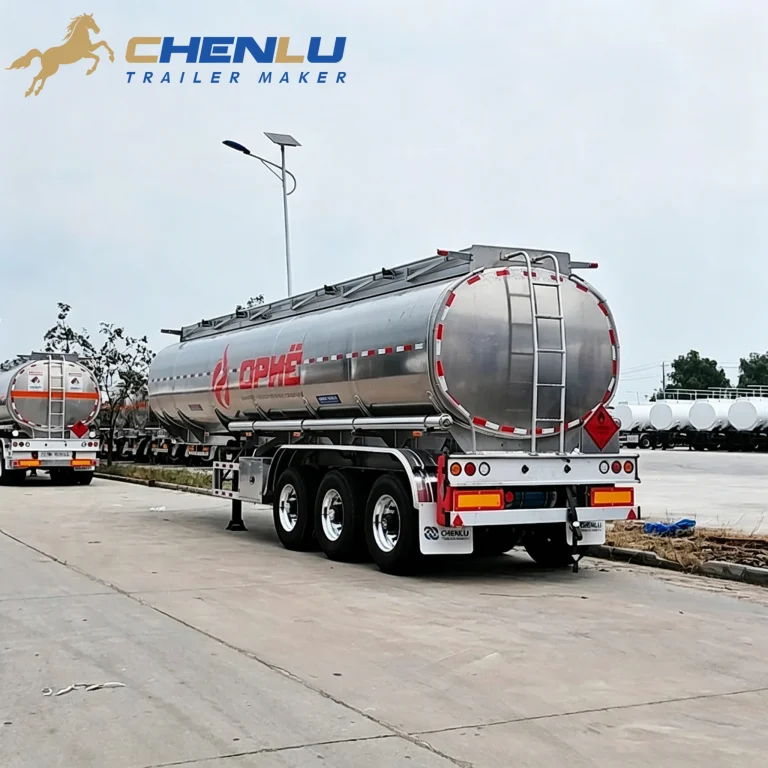
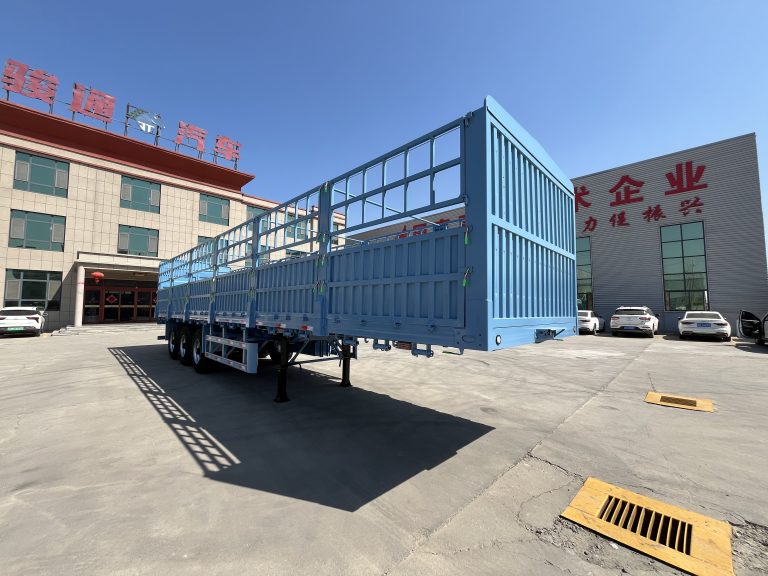
Ein ungeeigneter Tankauflieger kann die Nutzlast verringern, die Auslieferung verzögern, den Wartungsaufwand erhöhen und erhebliche Risiken hinsichtlich der Einhaltung gesetzlicher Vorschriften mit sich bringen. Das Problem verschärft sich, wenn Käufer ausschließlich den Preis oder das Fassungsvermögen vergleichen. Eine bessere Lösung berücksichtigt den Kraftstoff, die Route, die gesetzlichen Achslastgrenzen, die Beladungsmethode und die erforderlichen Sicherheitssysteme.
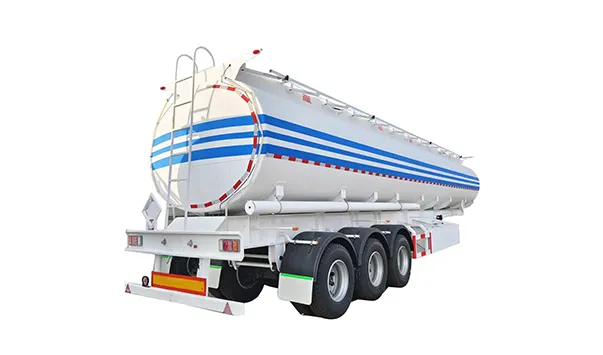
A Tankauflieger ist ein Straßenanhänger, der für den Transport von Benzin, Diesel und anderen Erdölprodukten in einem geschlossenen Tank konzipiert ist. Die Wahl des richtigen Modells hängt vom Tankmaterial, dem Gesamtfassungsvermögen, den Kammern, der Achsanordnung, den Ventilen, dem Pumpsystem, den Straßenverkehrsvorschriften und den Beladungsbedingungen ab. Kohlenstoffstahl bietet Langlebigkeit und ein gutes Preis-Leistungs-Verhältnis, während Aluminium das Leergewicht reduzieren und die zulässige Nutzlast erhöhen kann.

Artikel Gliederung
- Was ist ein Tankauflieger?
- Welche Produkte kann ein Tankauflieger transportieren?
- Wie viel Tankkapazität benötigt eine Flotte?
- Sollten Sie sich für Kohlenstoffstahl, Aluminium oder Edelstahl entscheiden?
- Warum sind Kammern, Leitbleche, Ventile und Armaturen so wichtig?
- Wie wirken sich Achsanordnung und Gewichtsverteilung auf die Leistung aus?
- Über welche Sicherheitsmerkmale sollte ein Tankauflieger verfügen?
- Welche Vorschriften gelten für den Transport von Erdöl?
- Wie sollten Käufer die Fertigungsqualität von Tankwagen überprüfen?
- Wie kann eine OEM-spezifische Anpassung die Effizienz einer Fahrzeugflotte verbessern?
- Was sollten Käufer bereitstellen, bevor sie ein Angebot anfordern?
- Häufig gestellte Fragen
Was ist ein Tankauflieger?
A Tankauflieger ist ein Sattelauflieger mit einem fest eingebauten Tank zum Transport von Flüssiggas. Er wird über einen Königszapfen und eine Sattelkupplung mit einer Zugmaschine verbunden. Die Zugmaschine liefert die Antriebskraft, während der Auflieger die transportierte Flüssigkeit aufnimmt und enthält.
Ein Tanklastzug unterscheidet sich von einem ortsfesten Kraftstofftank. Ein ortsfester Tank dient der Lagerung von Flüssigkeiten an einem Standort. Ein Tanklastzug muss hingegen Vibrationen, Bremsvorgänge, Kurvenfahrten, wechselnde Straßenbeläge, wiederholte Be- und Entladevorgänge sowie das sich verlagernde Gewicht der Flüssigkeit bewältigen.
In den Vereinigten Staaten definiert die PHMSA einen Ladetank als eine vorwiegend für den Transport von Flüssigkeiten oder Gasen bestimmte Großverpackung, die an einem Kraftfahrzeug angebracht ist oder einen Teil davon bildet. Dazu gehören der Tankkörper, die Armaturen, Verschlüsse, Verstärkungen und zugehörige Ausrüstung.
Eine komplette Einheit umfasst in der Regel:
- Tankhülse und Endplatten
- Innenfächer
- Wellenbrecher
- Schächte und Entlüftungsvorrichtungen
- Bodenventile
- Ablaufrohre und -schläuche
- Pump- oder Schwerkraftentleerungssystem
- Fahrgestell und Hauptträger
- Achsen und Federung
- Brems- und elektrische Systeme
- Stützbein
- Sicherheitsgeländer und oberer Laufsteg
- Antistatische Ausrüstung
- Werkzeugkästen und Betriebszubehör
Als Hersteller von Sattelaufliegern betrachten wir den Tankauflieger als ein komplettes Transportsystem. Die Tankgröße allein reicht niemals aus. Ladung, Route, Zugmaschine, Entladestelle und örtliche Vorschriften müssen aufeinander abgestimmt sein.
Was kann ein Tankauflieger transportieren?
Ein Tankauflieger wird hauptsächlich für den Transport von Erdölprodukten wie Benzin, Diesel, Heizöl und anderen zugelassenen Erdölprodukten eingesetzt. Vor der Herstellung muss jedoch die Ladungsverträglichkeit sorgfältig geprüft werden.
Ein für Diesel konzipierter Tank ist nicht unbedingt für Flugkraftstoff, korrosive Chemikalien, Speiseöl oder andere empfindliche Flüssigkeiten geeignet. Das Material, die Innenbeschichtung, die Ventile, die Dichtungen, die Schläuche, das Reinigungsverfahren und die Grenzwerte für Verunreinigungen können sich alle unterscheiden.
CHENLU positioniert sein Tankwagenprogramm derzeit für den Vertrieb von Benzin, Diesel und Erdöl. Aus den öffentlich zugänglichen Produktinformationen geht hervor, dass Modelle aus Kohlenstoffstahl und Aluminium erhältlich sind, die mit individuell anpassbaren Mehrkammer-Konfigurationen für verschiedene Kraftstoffsorten ausgestattet werden können.
Zu den typischen Anwendungsbereichen gehören:
- Lieferung an Tankstellen
- Vertrieb von der Raffinerie zum Depot
- Logistik im Bereich Kraftstofflager
- Dieselversorgung für Bergbaustandorte
- Betankung bei Bauprojekten
- Transport von Industriekraftstoffen
- Unterstützung bei Generatoren und Ausrüstung
- Fernenergieverteilung
- Notfall- oder Fernbetankungsmaßnahmen
Ein Käufer sollte nicht davon ausgehen, dass alle Tankauflieger für den Transport jeder Flüssigkeit geeignet sind. Als Ausgangspunkt sollten die genaue Produktbezeichnung, die Dichte, die Temperatur, das Korrosionsrisiko, der Flammpunkt und die Anforderungen hinsichtlich Verunreinigungen herangezogen werden.
Faustregel: Beginne mit der Flüssigkeit, nicht mit dem Foto auf dem Anhänger.
Der Hersteller sollte bestätigen, ob der ausgewählte Tank, die Dichtung, der Schlauch, das Ventil, die Pumpe und die Armatur für diese Ladung geeignet sind.
Wie viel Tankkapazität benötigt Ihr Fuhrpark?
Die derzeit bei CHENLU öffentlich zugänglichen Informationen zu Tankwagen umfassen Konfigurationen mit einem Fassungsvermögen von 40.000 bis 50.000 Litern, wobei auf einigen Produktseiten Modelle mit 40.000, 42.000, 45.000, 49.000 und 50.000 Liter. Diese Angaben beziehen sich auf ausgewählte Konfigurationen und nicht auf jedes Tankwagenmodell.
Die Ladekapazität wirkt sich nicht nur auf die mitgeführte Kraftstoffmenge aus. Sie beeinflusst auch:
- Abmessungen des Tanks
- Leergewicht
- Achslast
- Anforderungen an Traktoren
- Wenderadius
- Nachfrage nach Bremsen
- Anzahl der Fächer
- Rechtliche Nutzlast
- Anfahrt
- Be- und Entladezeit
Abnehmer in verschiedenen Märkten können Kapazitäten in Litern, Kubikmetern oder Gallonen anfordern. Aus dem Angebot sollte eindeutig hervorgehen, welches Maßsystem verwendet wird.
Auswahltabelle für Kapazitäten
| Betrieblicher Bedarf |
Mögliche Richtung |
Zu klärender Hauptpunkt |
| Regionale Kraftstofflieferung |
Tankschiff mittlerer Kapazität |
Manövrierfähigkeit und Lieferhäufigkeit |
| Fernverkehr auf der Autobahn |
Tankschiff mit größerer Kapazität |
Zulässiges Gesamtgewicht und Nutzlast |
| Kraftstoffversorgung von Bergbaustandorten |
Hochbelastbarer Anhänger aus Kohlenstoffstahl |
Unbefestigte Straßen und Zufahrten für Instandhaltungsarbeiten |
| Kraftstoffvertrieb im Einzelhandel |
Tankwagen mit mehreren Kammern |
Verschiedene Kraftstoffsorten und schnelle Entleerung |
| Betrieb mit hoher Nutzlast |
Aluminium-Tankauflieger |
Anschaffungskosten und Reparaturfähigkeit |
| Gemischte Zustellrouten |
Tankschiff mit individueller Ladekapazität |
Achslasten und Streckenbeschränkungen |
|Der größte Tank sorgt nicht immer für die beste Effizienz. Ein großer Tankwagen, der die örtlichen Gewichtsbeschränkungen überschreitet, kann unter Umständen weniger zulässige Ladung befördern als erwartet. Außerdem kann er an kleinen Tankstellen oder auf engen Industriegeländen Schwierigkeiten haben.
Die richtige Kapazitätsbalance:
1. Täglicher Lieferbedarf
2. Rechtliche Inhalte
3. Traktorleistung
4. Beschränkungen für Straßen und Brücken
5. Zugang zum Lieferort
6. Anzahl der Fahrten
7. Kraftstoffdichte
8. Erforderlicher Platzbedarf
Ein Fuhrpark sollte die nutzbare zulässige Nutzlast berechnen und nicht lediglich das Gesamtvolumen der Tanks vergleichen.

Tank aus Kohlenstoffstahl, Aluminium oder Edelstahl?
Die Materialauswahl beeinflusst das Eigengewicht, die Kosten, die Reparaturmethoden, das Korrosionsverhalten und die Kompatibilität mit der Ladung.
Tankauflieger aus Kohlenstoffstahl
Kohlenstoffstahl wird häufig für den Vertrieb von Diesel, Heizöl und Erdölprodukten im Allgemeinen eingesetzt, wo Langlebigkeit und Anschaffungskosten eine wichtige Rolle spielen.
Zu den wichtigsten Vorteilen zählen:
- Hohe Widerstandsfähigkeit gegen Stöße
- Robuste Konstruktion für den Einsatz auf unebenen Straßen
- Gängige Schweiß- und Reparaturverfahren
- Wettbewerbsfähiger Einstiegspreis
- Geeignet für viele anspruchsvolle Projekte
Die größte Einschränkung ist das Gewicht. Ein schwererer Tank kann die zulässige Ladekapazität verringern. Kohlenstoffstahl erfordert zudem unter Umständen einen geeigneten Oberflächenschutz und entsprechende Wartungsmaßnahmen, um Korrosion zu verhindern.
CHENLU’Die aktuellen Produktinformationen zu Kohlenstoffstahl umfassen bei ausgewählten Konfigurationen Q235 als Tankmaterial und Q345 als Fahrgestellmaterial. Auf den öffentlich zugänglichen Seiten werden Tankwandstärken von 5 oder 6 mm angegeben, die endgültige Dicke muss jedoch für jedes Projekt gesondert bestätigt werden.
Aluminium-Tankauflieger
Ein Tankauflieger aus Aluminium kann das Leergewicht senken und die Nutzlast steigern. Außerdem zeichnet er sich durch eine natürliche Korrosionsbeständigkeit aus.
Es könnte geeignet sein für:
- Fernverkehrsflotten
- Kraftstoffverteilung bei hoher Laufleistung
- Betrieb unter Berücksichtigung des gesetzlich vorgeschriebenen Bruttogewichts
- Lieferung von Benzin und hochwertigem Diesel
- Flotten, die eine höhere Nutzlast pro Fahrt anstreben
Der Nachteil sind höhere Anschaffungskosten und die Notwendigkeit, bei Reparaturen auf spezielles Aluminiumschweißen zurückzugreifen. Vor dem Kauf sollte geprüft werden, ob vor Ort ein Reparaturnetzwerk zur Verfügung steht.
Edelstahltank
Ein Edelstahltank kommt in der Regel dann in Betracht, wenn Korrosionsbeständigkeit, Produktreinheit oder Kontaminationskontrolle wichtiger sind als Anschaffungskosten und Gewicht.
Es kann zwar für spezielle Anwendungen im Kraftstoff-, Chemie- oder Lebensmittelbereich in Betracht gezogen werden, doch die Kompatibilität mit der Ladung und die Zertifizierung müssen separat bestätigt werden. Eine Ausführung aus Edelstahl sollte nicht allein deshalb gewählt werden, weil sie hochwertiger wirkt.
| Material |
Hauptvorteil |
Hauptbeschränkung |
Typische Kaufprioritäten |
| Kohlenstoffstahl |
Langlebig und kostengünstig |
Höheres Taragewicht |
Robuster Betrieb und geringere Anschaffungskosten |
| Aluminium |
Geringes Eigengewicht |
Höhere Anschaffungs- und Reparaturkosten |
Mehr Nutzlast und höhere Effizienz auf der Autobahn |
| Edelstahl |
Korrosions- und Verschmutzungsschutz |
Hohe Kosten und hohes Gewicht |
Spezielle Flüssigkeitsanwendungen |
Welches Material am besten geeignet ist, hängt vom gesamten Betriebsplan ab und nicht von einer einzelnen Spezifikation.

Warum sind Kammern, Leitbleche, Ventile und Armaturen so wichtig?
Wenn der Traktor beschleunigt, bremst oder lenkt, bewegt sich die Flüssigkeit im Tank. Diese Bewegung kann die Stabilität und die Gewichtsverteilung beeinträchtigen.
Interne Trennwände tragen dazu bei, das Schwappen der Flüssigkeit zu begrenzen. Durch Unterteilungen lässt sich die Ladung zudem in kleinere Abschnitte unterteilen. CHENLU bietet für ausgewählte Kraftstoffanhänger Konfigurationen mit zwei bis sieben unabhängigen Kammern an. Jede Kammer kann mit einem eigenen Entleerungssystem ausgestattet werden.
Mehrere Fächer können einem Händler dabei helfen, Folgendes zu transportieren:
- Normalbenzin
- Superbenzin
- Diesel
- Verschiedene Kundenaufträge
- Verschiedene Kraftstoffsorten
Mehr Kammern bedeuten jedoch auch mehr Ventile, Rohrleitungen, Schweißnähte und Reinigungsaufwand. Die Konstruktion muss auf den tatsächlichen Auslieferungsplan der Flotte abgestimmt sein.
Wichtige Tankkomponenten
| Komponente |
Hauptfunktion |
Frage des Käufers |
| Prallplatte |
Verringert die Bewegung der Flüssigkeit |
Wie viele werden eingesetzt und wo? |
| Abteil |
Produkte trennen |
Wie groß ist das Volumen jedes Abschnitts? |
| Schacht |
Ermöglicht Zugang und Belüftung |
Welcher Standard für Abdeckungen und Entlüftungsöffnungen gilt? |
| Bodenventil |
Steuert den Produktfluss |
Ist eine Notfallschließung erforderlich? |
| Ablassventil |
Verbindet Entladevorrichtungen |
Welche Größe und welcher Standard passen zum Depot? |
| Pumpe |
Befördert Kraftstoff während des Transfers |
Welche Durchflussmenge und welche Stromquelle werden benötigt? |
| Schlauch |
Verbindet den Anhänger mit dem Aufnahmesystem |
Welcher Durchmesser, welche Länge und welches Material werden benötigt? |
| Siegel |
Verhindert das Auslaufen des Produkts |
Ist es mit der geförderten Flüssigkeit verträglich? |
| Montage |
Verbindet Rohrleitungen und Anlagen |
Passt es zur örtlichen Ladeinfrastruktur? |
Eine mangelhafte Abdichtung oder eine beschädigte Naht kann zu einem Leck führen. Ein Ventil, das nicht zum Depot des Kunden passt, kann jede Lieferung verzögern. Auch kleine Bauteile spielen eine wichtige Rolle.
Für die Beladung kann eine Beladung von oben, von unten oder ein anderes zugelassenes System verwendet werden. Für die Entladung kann die Schwerkraft, eine am Anhänger montierte Pumpe oder die Ausrüstung am Empfangsort genutzt werden. Bitte klären Sie dies vor Produktionsbeginn ab.
Wie wirken sich Achsanordnung und Gewichtsverteilung auf den Anhänger aus?
Der Tank, das Fahrgestell, der Traktor und die Achsgruppe müssen als ein System zusammenwirken.
Eine höhere Tragfähigkeit erfordert nicht automatisch die größte Anzahl an Achsen. Die richtige Achsanordnung hängt ab von:
- Gesetzlich zulässige Achslasten
- Gesamtgewicht mit Ladung
- Tankposition
- Position der Sattelkupplung am Traktor
- Art der Aufhängung
- Reifenbewertung
- Straßenqualität
- Wenderaum
- Bridge-Regeln
- Ladeplan für die Abteile
Tankschiff „CHENLU“ Auf diesen Seiten finden sich Produktbeispiele mit 3- und 4-Achs-Konfigurationen. In den öffentlich zugänglichen Fallbeispielen wird zudem eine 50.000-Liter-Konfiguration für den Kongo beschrieben, bei der vier 16-Tonnen-Achsen zum Einsatz kommen; diese Achsanordnung gilt jedoch ausschließlich für dieses Projekt.
Eine Fahrzeugflotte benötigt möglicherweise eine mechanische Federung für einfache Wartungsarbeiten und unebene Straßen. Eine Luftfederung kann hingegen für einen ruhigeren Fahrbetrieb auf der Autobahn oder zur Erfüllung spezifischer gesetzlicher Anforderungen von Vorteil sein. Keine der beiden Optionen ist automatisch in jeder Situation die beste Wahl.
Mehrachsige Anhänger können schwere Lasten auf mehr Aufstandsflächen verteilen, erhöhen jedoch möglicherweise das Eigengewicht, die Reifenkosten, den Wartungsaufwand und den Lenkwiderstand. Eine mehrachsige Konfiguration für den Kraftstofftransport muss daher unter Berücksichtigung gesetzlicher und praktischer Anforderungen ausgelegt werden.
Der Hersteller sollte Folgendes anfordern:
- Traktormarke und -modell
- Höhe der Sattelkupplung
- Zielnutzlast
- Kraftstoffdichte
- Streckenbedingungen
- Maximale Achslast
- Reifenpräferenz
- Präferenz für Suspensionen
- Abbiegebeschränkungen
- Voraussichtliche jährliche Fahrleistung
Diese Informationen helfen den Ingenieuren dabei, den Tank und die Achsgruppe so zu positionieren, dass ein stabiler Betrieb gewährleistet ist.
Welche Sicherheitsmerkmale sollte ein Tankauflieger aufweisen?
Kraftstoff ist eine hochriskante Fracht. Sicherheit darf niemals auf eine kurze Liste von Ausstattungsmerkmalen reduziert werden.
Je nach gewähltem Modell und den Anforderungen am Zielort können folgende Sicherheitsmerkmale enthalten sein:
- Notabsperrventile
- Bodenventile
- Entlüftungsventile
- Druckentlastungsvorrichtungen
- Antistatische Erdung
- Explosionsgeschützte Schachtabdeckungen
- Dampfrückgewinnung
- Wellenbrecher
- Feuerlöscher
- ABS
- Reflektierende Markierungen
- Seiten- und Heckschutz
- Oberer Laufsteg und Geländer sichern
- Abdruckleitung mit Dichtung
- Notfall-Bedienungsanleitung
CHENLU’Auf der Seite mit den allgemeinen Lösungen für Tankwagen werden Notabsperrventile, Dampfrückgewinnung, antistatische Erdung und verstärkte Abteilkonstruktionen als verfügbare Sicherheitsmaßnahmen aufgeführt. Diese Punkte müssen für die jeweilige Konfiguration noch bestätigt werden.
Ein sicherer und effizienter Transport hängt auch vom Betrieb ab. Selbst die beste Hardware kann schlechte Verladepraktiken, offene Ventile, beschädigte Schläuche oder einen ungeschulten Bediener nicht ausgleichen.
Nach den geltenden US-Vorschriften muss eine qualifizierte Person beim Be- und Entladen von Ladetanks anwesend sein, und die Verschlüsse müssen gesichert sein, bevor das Fahrzeug losfährt. Die Vorschriften regeln außerdem die Überprüfung von Schläuchen, Ventilen und Entladevorrichtungen.
Ein seriöser Anbieter sollte den Käufern dabei helfen, sowohl den Ausrüstungs- als auch den Betriebsbedarf zu ermitteln.

Welche Vorschriften gelten für Tankauflieger?
Es gibt keine einheitliche weltweite Vorschrift für alle Kraftstoffanhänger.
Die Anforderungen können von folgenden Faktoren abhängen:
- Zielland
- Kraftstoffklassifizierung
- Tankbau
- Fahrzeugklasse
- Kapazität
- Ladesystem
- Achslastgrenzen
- Straßenabmessungen
- Bremsregeln
- Elektrische Anlage
- Kennzeichnung und Beschriftung
- Inspektionsplan
- Fahrerqualifikation
- Notfallausrüstung
Für den internationalen Straßengüterverkehr in vielen europäischen und damit verbundenen Märkten regelt das ADR die Einstufung, Verpackung, Vorschriften für Tankfahrzeuge, den Fahrzeugbau, die Ausrüstung, den Betrieb und die Dokumentation von Gefahrgut. Das ADR 2025 trat am 1. Januar 2025 in Kraft.
In den Vereinigten Staaten sind die Vorschriften für den Transport gefährlicher Güter hauptsächlich in 49 CFR, Teile 171–180, geregelt. Diese Vorschriften umfassen Anforderungen an die Bauweise von Ladetanks, die Kennzeichnung, das Be- und Entladen, den Betrieb sowie regelmäßige Inspektionen.
Die Konformität sollte vor Produktionsbeginn überprüft werden, nicht erst, nachdem der Anhänger den Hafen erreicht hat.
Geben Sie sich nicht mit einer vagen Aussage wie “internationaler Standard” zufrieden. Fragen Sie nach:
- Anwendbare Rechtsvorschrift
- Erforderlicher Tankcode
- Verfahren zur Fahrzeugzulassung
- Prüfstelle
- Prüfnorm
- Kennzeichnungsvorschriften
- Erforderliche Unterlagen
- Geltungsbereich des Zertifikats
- Gültigkeitsdauer des Zertifikats
Der genaue Plan zur Einhaltung der Vorschriften ist in der technischen Vereinbarung und im Kaufvertrag festzuhalten.
Wie sollten Käufer die Fertigungsqualität von Tankwagen überprüfen?
Bei einem Kraftstoffanhänger kommt es sowohl auf die Unversehrtheit des Tanks als auch auf die Festigkeit des Fahrgestells an.
Der Tank mag von außen makellos aussehen, doch die Qualität hängt von der Materialkontrolle, der Formgenauigkeit, der Schweißnahtdurchdringung, der Gleichmäßigkeit der Schweißnaht, der Druckprüfung, dem Einbau der Ventile, der Ausrichtung des Fahrgestells und der Endkontrolle ab.
CHENLU beschreibt einen siebenstufigen Herstellungsprozess:
1. Materialvorbereitung
2. Hauptstrahlschweißen
3. Rahmenmontage
4. Oberflächenbehandlung
5. Malerei
6. Endmontage
7. Prüfung und Test
Der vom Unternehmen veröffentlichte Qualitätsprozess umfasst außerdem die Eingangskontrolle der Materialien, die Schweißnahtprüfung an kritischen Verbindungsstellen, die Prüfung von Achsen und Aufhängung, die Bremsprüfung, die Prüfung der Elektro- und Druckluftsysteme sowie die abschließende Auslieferungsprüfung.
Checkliste für die Käuferinspektion
- Stahl- oder Aluminiumgüteklasse überprüfen
- Dicke der Tankhülle bestätigen
- Anordnung der Fächer prüfen
- Schweißprotokolle überprüfen
- Interne Leitbleche überprüfen
- Druck- oder hydrostatische Prüfung bestätigen
- Überprüfen Sie alle Ventile und Absperrvorrichtungen
- Pumpe und Fördersystem prüfen
- Schläuche und Anschlüsse überprüfen
- Brems- und elektrisches System überprüfen
- Achsausrichtung messen
- Lackierung und Korrosionsschutz überprüfen
- Seriennummernschilder und Kennzeichnungen überprüfen
- Ersatzteile und Anleitungen einsehen
Ein hochwertiger Anhänger sollte sich nicht allein nach seinem Aussehen richten. Fragen Sie nach Produktionsfotos, Testprotokollen und einem endgültigen Konfigurationsblatt.
Ganz gleich, ob Sie CHENLU, Heil oder einen anderen Hersteller vergleichen – achten Sie auf die vollständigen technischen Daten und nicht nur auf die Marke und das Modell.
Wie kann eine OEM-spezifische Anpassung die Effizienz einer Fahrzeugflotte verbessern?
Standard-Anhänger funktionieren nur unter Standard-Betriebsbedingungen. Viele internationale Kraftstoffprojekte entsprechen diesen Bedingungen jedoch nicht.
Als professioneller Hersteller in China haben wir uns auf die OEM- und ODM-Anpassung von Tankfahrzeugen für Kraftstoffhändler, Bergbauunternehmen, Bauunternehmen, Anhängerhändler, Flottenbetreiber und internationale Projektkunden spezialisiert.
Die Anpassung kann Folgendes umfassen:
- Gesamtkapazität des Tanks
- Anzahl der Fächer
- Volumen der einzelnen Fächer
- Kohlenstoffstahl oder Aluminium
- Schalendicke
- Anzahl und Marke der Achsen
- Mechanische oder Luftfederung
- Reifen- und Felgengröße
- Geräte mit Beladung von unten
- Dampfrückgewinnung
- Pumpen- und Durchflusssystem
- Schlauchlänge und -durchmesser
- Norm für Schächte und Ventile
- Antistatische Ausrüstung
- Verstärkung des Fahrwerks
- Lackierung und Flottenbeschriftung
- Werkzeugkasten und Ersatzteile
- Einhaltung der Vorschriften am Bestimmungsort
Eine gute Konfiguration kann die tägliche Effizienz steigern, indem der Anhänger optimal auf die Lieferroute abgestimmt wird. Dies kann Wartezeiten verkürzen, das Entladen vereinfachen, die Verfügbarkeit von Teilen verbessern und dazu beitragen, dass die Flotte die richtige Produktzusammensetzung transportiert.
Außerdem erhöht sich dadurch die Vielseitigkeit. Ein Fahrzeug mit fünf Ladefächern kann mehrere Stationen auf einer Strecke bedienen. Ein robustes Modell aus Kohlenstoffstahl eignet sich möglicherweise besser für Bergbaustraßen. Ein Fahrzeug aus Aluminium ist möglicherweise besser für Arbeiten auf Autobahnen geeignet, bei denen die zulässige Nutzlast eine wichtige Rolle spielt.
Die beste Sonderanfertigung ist nicht die komplexeste. Es ist diejenige, die echte Transportanforderungen erfüllt.
Welche Informationen sollten Käufer vor der Anforderung eines Angebots bereitstellen?
Wenn Käufer nach zum Verkauf stehenden Kraftstoffanhängern suchen, fragen viele zuerst nach dem Preis. Das ist verständlich. Doch für ein genaues Angebot ist mehr als nur das Fassungsvermögen erforderlich.
Bitte geben Sie folgende Informationen an:
Frachtinformationen
- Genauer Kraftstoff oder Flüssigkeit
- Dichte
- Betriebstemperatur
- Anzahl der Kraftstoffsorten
- Grenzwerte für Verunreinigungen
Informationen zum Tank
- Erforderliche Kapazität
- Anzahl der Fächer
- Aufteilung des Volumens
- Tankmaterial
- Lademethode
- Entladeverfahren
- Pumpenanforderungen
- Ventilnorm
Fahrzeugdaten
- Erforderliche Achsanzahl
- Zulässige Achslast
- Präferenz für Suspensionen
- Reifenspezifikation
- Traktormodell
- Höhe der Sattelkupplung
- Anforderungen an die Bremsen
Betriebsinformationen
- Zielland
- Hauptstrecken
- Straßenqualität
- Zugang zum Lieferort
- Jährliche Fahrleistung
- Klima
- Erforderliche Regelung
- Bestellmenge
Geschäftliche Informationen
- Lieferplan
- Handelsbegriff
- Bestimmungshafen
- Ersatzteilpaket
- Anforderungen an das Branding
- Prüfvorschriften
Der Service von CHENLU Der Prozess beginnt mit der Ladung, der Nutzlast, den örtlichen Vorschriften, dem Budget und den Arbeitsbedingungen. Anschließend empfehlen die Technik- und Vertriebsteams geeignete Konfigurationen und erstellen ein detailliertes Angebot. Die angegebene Produktionsvorlaufzeit beträgt in der Regel 10 bis 30 Tage nach Eingang der Anzahlung, je nach Produkttyp und individueller Anpassung.
Ein Händler sollte außerdem erläutern, ob sich ein Preis auf den aktuellen Lagerbestand, eine Standardausführung oder eine vollständig individuell angepasste Bestellung bezieht.
Fallstudie: 50.000-Liter-Tankwagen für den Kongo
Ein Kunde aus dem Kongo benötigte einen großen Tankwagen für den lokalen Kraftstoffvertrieb. Das von CHENLU veröffentlichte Projekt sah einen 50.000-Liter-Tank, einen Tankkörper aus 5 mm dickem Q235-Kohlenstoffstahl sowie fünf interne Kammern vor.
Die gezeigte Konfiguration umfasste außerdem vier 16-Tonnen-Achsen, Reifen der Größe 12R22.5, eine mechanische Federung, ein JOST-Stützfahrwerk sowie einen optionalen 2- oder 3,5-Zoll-Königszapfen.
Dieser Fall verdeutlicht eine wichtige Lektion für den Einkauf: Ein Tanker sollte auf den jeweiligen Markt zugeschnitten sein.
Der Käufer benötigte:
- Hohe Lieferkapazität
- Mehrere Fächer
- Robuste Konstruktion
- Fernbetrieb
- Teile, die eine Wartung vor Ort ermöglichen könnten
- Stabile Gewichtsverteilung auf unterschiedlichen Straßen
Dieses Projekt sollte nicht ohne vorherige Prüfung kopiert werden. In einem anderen Land können andere Abmessungen, Achsen, Ventile, Bremsen, Kennzeichnungen oder eine andere Tankzulassung erforderlich sein.
Anwendungsfälle als Entwurfsvorlagen – keine allgemeingültigen Spezifikationen.
Häufig gestellte Fragen
Was ist der Unterschied zwischen einem Tankauflieger und einem Tanklastwagen?
Ein Tankauflieger ist eine nicht selbstfahrende Tankanlage, die von einer Sattelzugmaschine gezogen wird. Der Begriff „Tankwagen“ kann sich entweder auf die gesamte Sattelzugkombination oder auf einen starren Lkw beziehen, bei dem der Tank direkt auf dem Fahrgestell montiert ist. Die richtige Wahl hängt von Fassungsvermögen, Strecke, Manövrierfähigkeit und Flottenstruktur ab.
Wie viele Kammern kann ein Tankauflieger haben?
CHENLU bietet ausgewählte Konfigurationen mit zwei bis sieben Fächern im öffentlichen Verkauf an. Die genaue Anzahl hängt von den Kraftstoffsorten, dem Lieferplan, dem zulässigen Gesamtgewicht und dem pro Kunde benötigten Volumen ab.
Was eignet sich besser für den Transport von Dieselkraftstoff: Kohlenstoffstahl oder Aluminium?
Kohlenstoffstahl ist langlebig, reparierbar und in der Regel kostengünstiger. Aluminium ist leichter und kann die Nutzlast erhöhen. Die bessere Wahl hängt von der Route, der jährlichen Fahrleistung, den lokalen Reparaturmöglichkeiten, dem Budget und den gesetzlichen Gewichtsbeschränkungen ab.
Kann ein Tankwagen sowohl Benzin als auch Diesel transportieren?
Ein Mehrkammer-Tankfahrzeug darf verschiedene zugelassene Güter in voneinander unabhängig abgedichteten Kammern befördern. Der Tank, die Ventile, die Rohrleitungen, die Kennzeichnungen, das Reinigungsverfahren und die örtlichen Vorschriften müssen jedoch für die beabsichtigte Kombination geeignet sein.
Benötigt ein Tankauflieger eine Pumpe?
Nicht immer. Manche Systeme nutzen die Schwerkraftentleerung oder Anlagen am Empfangsort. Bei anderen ist eine auf einem Anhänger montierte Pumpe erforderlich. Klären Sie vor der Bestellung den Entladeort, die gewünschte Durchflussmenge, die Stromquelle, den Schlauch und die Anschlussnorm ab.
Wie oft sollte ein Tankwagen überprüft werden?
Die Inspektionsintervalle hängen vom jeweiligen Land, den Tankvorgaben, der Ladung und den geltenden Vorschriften ab. In den Vereinigten Staaten unterliegen Ladetanks, die den Spezifikationen entsprechen, regelmäßigen Prüfungen und Inspektionen gemäß 49 CFR 180.407.
Fazit
Die Wahl eines Tankaufliegers ist eine technische Entscheidung und nicht nur eine Kaufentscheidung.
Der Tank muss für die jeweilige Flüssigkeit geeignet sein. Das Fahrgestell muss für die Straße geeignet sein. Die Achsen müssen für die gesetzlich zulässige Zuladung ausgelegt sein. Die Ventile und die Entladevorrichtungen müssen für das Lager des Kunden geeignet sein. Die Sicherheitssysteme müssen den geltenden Vorschriften entsprechen.
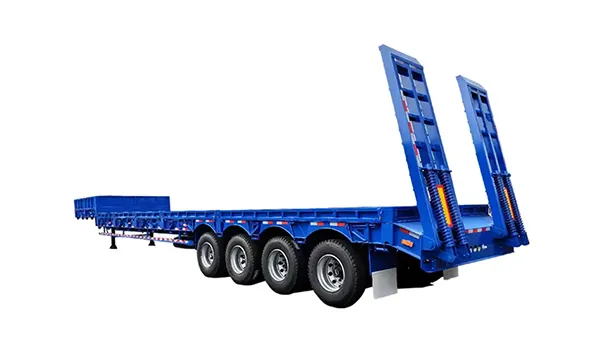
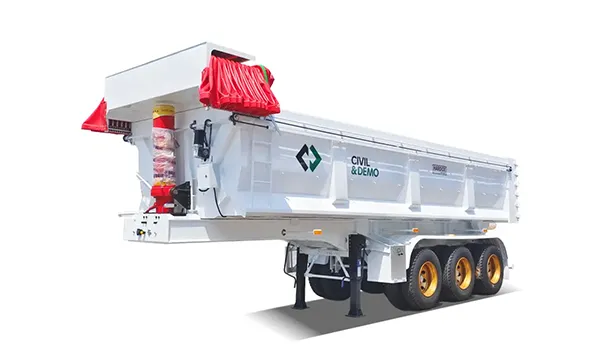
Als in China ansässiger Hersteller von Sattelaufliegern entwickeln und produzieren wir Kraftstoffauflieger aus Kohlenstoffstahl, Aluminiumtankwagen, Mehrkammer-Kraftstoffauflieger, Zementtankwagen, Tieflader, Pritschenauflieger, Kippauflieger, Autotransporter, Lkw sowie Anhängerteile.
Wir unterstützen Flottenbetreiber, Kraftstoffhändler, Bauunternehmen, Bergbauunternehmen, Anhängerhändler und internationale Projektkunden mit OEM- und ODM-Lösungen direkt ab Werk.
Um ein aussagekräftiges Angebot zu erhalten, teilen Sie uns bitte die Kraftstoffart, das Tankvolumen, den Laderaumplan, die Achslastgrenzen, die Straßenverhältnisse, die Beladungsmethode, das Entladesystem sowie die Anforderungen am Bestimmungsort mit. Auf dieser Grundlage können wir dann eine praktische, robuste und langlebige Konfiguration für Ihr Transportprojekt entwickeln.



 31. Juli 2026