Abmessungen von Tankaufliegern: Was bestimmt die richtige Größe?
21. August 2026
CHENLU-Entwicklungsteam | Technik für Tankauflieger und Exportunterstützung | Aktualisiert am 20. August 2026
Die Abmessungen eines Tankaufliegers richten sich nach der zu befördernden Flüssigkeit, dem erforderlichen Volumen, dem Tankmaterial, der Aufteilung der Kammern, den Achslasten, der Zugmaschine sowie den Vorschriften am Bestimmungsort. Die Gesamtlänge und -breite spielen zwar eine Rolle, doch für eine praktikable Spezifikation sind auch der Tankdurchmesser, der Schwerpunkt, die Entladevorrichtung, die Durchfahrtshöhe und das zulässige Gesamtgewicht erforderlich.
Die Anordnung eines Tanklastzugs muss unter Berücksichtigung der Ladung, der Achsgruppe und der Zugmaschine überprüft werden.
Die Abmessungen von Tankaufliegern auf einen Blick
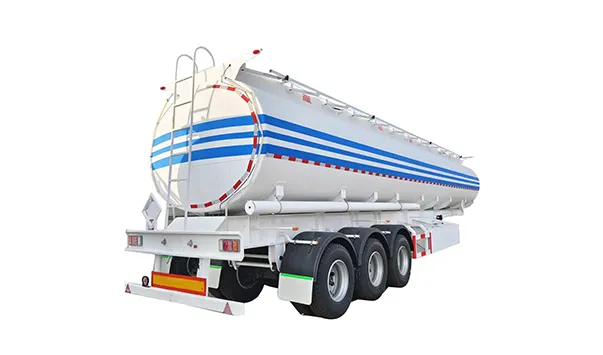
Das öffentliche Produktangebot von CHENLU umfasst 3- und 4-achsige Kraftstofftankwagen aus Kohlenstoffstahl, einen ausgestellten 40.000-Liter-Tankwagen aus Aluminium sowie Ausführungen mit einem oder mehreren Tanks. Der öffentliche Katalog enthält außerdem Zementtankwagen mit einem Fassungsvermögen von etwa 30 bis 60 m³. Hierbei handelt es sich um Produktbeispiele, nicht um eine einheitliche Größe für jeden Markt.
Dimension oder Parameter
Was ist zu bestätigen?
Warum sich die Spezifikation ändert
Gesamtlänge
Tankhülle, Heckausstattung, Stoßstange und Lage des Königzapfens
Hat Auswirkungen auf das Wenden, die Länge von Lastzügen und die Routengenehmigungen
Gesamtbreite
Manteldurchmesser, Schutzvorrichtungen, Laufstege und seitliche Ausrüstung
Regelt die zulässige Breite und den Zugang für Inspektionszwecke
Gesamthöhe
Tankkrone, Mannlöcher, Rohrleitungen und Höhe der Traktorkupplung
Ermittelt Risiken in Bezug auf Brücken, Tunnel und Durchfahrtshöhen
Tankvolumen
Arbeitsvolumen, Freiraum und Dichte der Flüssigkeit
Verhindert eine Überlastung und lässt gleichzeitig Raum für Erweiterungen
Anordnung der Fächer
Anzahl, Länge, Leitbleche und separate Auslassleitungen
Unterstützt verschiedene Produkte und regelt den Flüssigkeitsfluss
Achs- und Achsschenkelbelastungen
Grenzwerte für den Schwerpunkt der Ladung und den Bestimmungsort
Hat Auswirkungen auf die zulässige Nutzlast, das Bremsverhalten und die Reifenauswahl
1. Beginnen Sie mit der Flüssigkeit und dem erforderlichen Arbeitsvolumen
Notieren Sie den Namen der Flüssigkeit, den Dichtebereich, die Temperatur, gegebenenfalls den Flammpunkt, die Beladetemperatur sowie, ob die Ladung korrosiv oder lebensmitteltauglich ist. Wählen Sie die Größe eines Tankwagens nicht allein anhand der Literangabe aus. Eine dichte Flüssigkeit kann die Achslast- oder Gesamtgewichtsgrenze erreichen, bevor der Tank geometrisch voll ist.
Das Arbeitsvolumen unterscheidet sich zudem vom geometrischen Volumen des Tanks. Der Tank benötigt einen Freiraum und eine interne Regelung der Flüssigkeitsbewegung. Geben Sie dem Lieferanten die angestrebte Nutzlast, die Dichte und die Betriebstemperatur an, damit der Tank und das Fahrwerk als ein System geprüft werden können.
2. Material und Geometrie des Behälters auswählen
In der Kraftstofftankwagen-Produktreihe von CHENLU wird eine Ausführung aus Kohlenstoffstahl präsentiert, während eine Aluminiumausführung mit einem Fassungsvermögen von etwa 40.000 Litern ausgestellt ist. Das Material hat Einfluss auf das Eigengewicht, den Korrosionsschutz, die Fertigung, die Reinigung und die für den Käufer zulässige Nutzlast.
Der Tankdurchmesser, die Tankschalenlänge und der verfügbare Fahrgestellraum bestimmen den Schwerpunkt des Anhängers. Ein größerer Durchmesser kann die Länge verringern, hebt jedoch die Tankkrone an. Eine längere, schmalere Tankschale kann die Durchfahrtshöhe verbessern, verändert jedoch die Lenk- und Biegebelastungen. Vergleichen Sie die Tankzeichnung mit der Zugmaschine und der Strecke, bevor Sie die Produktion freigeben.
Das Tankmaterial und die Geometrie der Tankhülle beeinflussen das Leergewicht, die Höhe und die Nutzlast.
3. Entscheiden Sie, ob Fächer erforderlich sind
Ein einziges Fach kann die Reinigung und Entleerung vereinfachen, wenn die Flotte nur eine Flüssigkeit transportiert. Mehrkammer-Tanks ermöglichen die Trennung von Kraftstoffen oder Sorten während einer Fahrt, erfordern jedoch zusätzliche Trennwände, Ventile, Rohrleitungen, Inspektionsstellen und Reinigungsmaßnahmen.
Geben Sie das Nutzvolumen jedes Fachs, die Produktreihenfolge, die Befüllöffnung, die Auslassanordnung und die erforderliche Trennung an. Auch Trennwände und die Anordnung der Fächer beeinflussen die Schwankungsdämpfung und die Belastung der Achsgruppen. Die richtigen Abmessungen des Tankaufliegers sind daher eine Frage der Auslegung und nicht nur eine Frage des Volumens.
4. Die Achsanordnung an den Lastschwerpunkt anpassen
CHENLU präsentiert öffentlich Konfigurationen von 3- und 4-achsigen Tanklastwagen. Die Achsenzahl allein ist kein Beweis dafür, dass ein Tanklastwagen für die geplante Nutzlast geeignet ist. Rahmen, Federung, Reifen, Bremsen, Königszapfenbelastung, Achsabstand und örtliche Gewichtsbeschränkungen müssen gemeinsam geprüft werden.
Fordern Sie eine Zulassungszeichnung an, aus der der Schwerpunkt bei leerem und beladenem Zustand hervorgeht. Prüfen Sie auch die Bedingungen bei teilweiser Befüllung. Ein teilweise befüllter Tank kann im Vergleich zu einem voll befüllten Tank ein anderes Schwingungs- und Achslastverhalten aufweisen, insbesondere wenn sich die Dichte der Flüssigkeit oder die Aufteilung der Tanks ändern.
5. Pumpen, Ventile und Zugangsvorrichtungen in die Hülle einbeziehen
Schächte, Dampfrückgewinnungsanlagen, Pumpen, Messgeräte, Ablassventile, Leitern, Laufstege und hintere Schutzvorrichtungen nehmen Platz ein. Sie können die Gesamtlänge, -breite oder -höhe verändern und müssen auch nach dem Ankuppeln des Tankwagens an die Zugmaschine zugänglich bleiben.
Legen Sie die Förderleistung, die Stromversorgung der Pumpe, die Schlauchanschlüsse sowie die Anforderungen an die Notabschaltung und die Erdung fest. Ein Tankwagen mit dem richtigen Tankvolumen kann dennoch ungeeignet sein, wenn seine Ausrüstung nicht an die Verladestation oder die Rohrleitungen vor Ort angeschlossen werden kann.
6. Kompatibilität von Traktor und Strecke prüfen
Geben Sie den Radstand des Traktors, die Höhe der Sattelkupplung, die Konfiguration der Hinterachse, die zulässige Gesamtmasse des Gespanns und die geplante Route an. Prüfen Sie den Wenderadius, den Kupplungsfreiraum, die Höhe im beladenen Zustand, die Breite, die Achslasten, die Brückenhöhenbeschränkungen sowie die Zufahrten zum Hafen oder zum Depot.
Bei internationalen Projekten hängt der genaue Zulassungsweg vom Bestimmungsort und der Fahrzeugkonfiguration ab. Die UNECE-Richtlinie WP.29 bietet einen Rahmen für internationale Fahrzeugvorschriften, ersetzt jedoch nicht die Anforderungen der Behörde am Bestimmungsort für den ausgewählten Tankwagen.
7. Wägen Sie die Vor- und Nachteile ab, bevor Sie sich für eine Standardgröße entscheiden
Ein größerer Tank kann die Anzahl der Fahrten verringern, jedoch das Eigengewicht erhöhen und zu einem höheren Bremsbedarf, Routeneinschränkungen sowie höheren Kosten für Auslaufschutzvorrichtungen führen. Aluminium kann das Eigengewicht senken, während Kohlenstoffstahl je nach Anforderungen hinsichtlich Korrosionsbeständigkeit, Haltbarkeit oder Budget die bessere Wahl sein kann. Mehr Fächer erhöhen die Produktflexibilität, führen jedoch zu zusätzlichen Wartungspunkten.
Im Vergleich zu einer allgemeinen Größentabelle für Tankwagen bietet eine Anwendungszeichnung dem Käufer eine klarere Grundlage hinsichtlich Nutzlast, Bodenfreiheit, Achsverteilung und Ausrüstungsauswahl. Außerdem werden dadurch Einschränkungen bereits vor dem Zuschneiden des Stahls aufgezeigt.
Abmessungen des Tankaufliegers und Angaben für das Angebot
Ausgewählte Konfigurationen von CHENLU-Tankwagen werden öffentlich mit etwa 13.000–14.000 US-Dollar angegeben, während eine ausgestellte Aluminium-Tankwagenkonfiguration bei rund 18.000 US-Dollar liegt. Hierbei handelt es sich um Richtpreise für ausgewählte Konfigurationen, nicht um feste Angebote. Der endgültige Preis hängt von Volumen, Material, Kammern, Achsen, Federung, Reifen, Bremsen, Pumpenausstattung, Zubehör, Bestellmenge, Bestimmungsort und Versandbedingungen ab.
Bitte geben Sie bei Ihrer Angebotsanfrage die Ladungsdichte, das angestrebte Arbeitsvolumen, den Aufteilungsplan, das Tankmaterial, die Zugfahrzeugdaten, die Streckenbeschränkungen, die Be- und Entlademethode, die erforderlichen Dokumente sowie den Bestimmungsort an. CHENLU kann dann eine projektspezifische Tankwagenzeichnung erstellen.
Häufig gestellte Fragen zu den Abmessungen von Tankaufliegern
Wie lauten die Standardabmessungen für Tankauflieger?
Es gibt keinen einheitlichen globalen Standard. Die Abmessungen von Tankaufliegern hängen von der Ladung, dem Volumen, dem Tankmaterial, den Kammern, der Achsanordnung, der Zugmaschine und den Vorschriften am Bestimmungsort ab. Fordern Sie eine Zeichnung für die jeweilige Kombination an.
Wie viele Liter kann ein Tankauflieger transportieren?
Das Fassungsvermögen hängt von der Tankgeometrie, dem Material, den Achslastgrenzen, der Dichte der Flüssigkeit und den örtlichen Vorschriften ab. CHENLU präsentiert öffentlich eine Aluminiumausführung mit einem Fassungsvermögen von etwa 40.000 Litern, doch dieser Wert gilt nicht als allgemeingültiges Fassungsvermögen für jeden Tankwagen.
Sind Mehrkammerbehälter besser?
Sie sind nützlich, wenn in einem Durchgang unterschiedliche Produkte oder Qualitäten transportiert werden müssen. Außerdem erfordern sie Trennwände, Ventile sowie Reinigungs- und Inspektionsmaßnahmen. Entscheiden Sie sich nur dann für diese Variante, wenn der Betriebsplan diese Flexibilität erfordert.
Welche Angaben werden für ein Angebot für einen Tankwagen benötigt?
Geben Sie die Art der Flüssigkeit, die Dichte, das Arbeitsvolumen, die Kammern, das Material, den Achsplan, den Traktor, die Route, die Be- und Entladevorrichtungen, den Bestimmungsort sowie die erforderlichen Konformitätsunterlagen an.
Zeichnung zur Dimensionierung eines Tankwagens anfordern
Wir werden Ihnen innerhalb von 24 Stunden antworten. Wenn für dringenden Fall, fügen Sie bitte WhatsApp/WeChat: 86-15628801159,. Oder rufen Sie direkt 86-15628801159 an.
*Wir respektieren Ihre Vertraulichkeit und alle Informationen sind geschützt.
Wir verwenden Ihre Daten nur zur Beantwortung Ihrer Anfrage und senden Ihnen niemals unaufgefordert E-Mails oder Werbenachrichten.



 21. August 2026