Choosing the wrong trailer can waste fuel, damage cargo, delay jobs, and reduce profit. For fleet owners, contractors, and transport companies, the right semi trailer is not just equipment. It is a working asset that protects every load.
A semi trailer is a heavy-duty trailer pulled by a tractor unit through a fifth wheel coupling. Common types include flatbed, dry van, reefer, lowboy, tanker, dump, and skeleton models. The best choice depends on cargo size, weight capacity, road rules, loading method, and daily hauling needs.
Artikel Gliederung
- What Is a Semi Trailer and Why Does It Matter?
- How Does a Semi-Trailer Work with a Truck and Tractor Unit?
- What Are the Main Types of Semi-Trailers?
- When Should You Choose Flatbed Trailers?
- Are Dry Van Trailers the Best Choice for General Cargo?
- Why Do Reefer Trailers and Refrigerated Trailers Need Special Design?
- How Do Lowboy Trailers, Step Deck, and Drop Deck Models Help Haul Heavy Loads?
- When Are Tank Trailers, Tipper, and Dump Trailers the Right Choice?
- Should You Buy New Trailers for Sale or Used Semi-Trailers?
- How Can OEM / ODM Trailer Design Support Your Hauling Needs?
- FAQs About Semi Trailer Selection
- Wichtigste Erkenntnisse
What Is a Semi Trailer and Why Does It Matter?
A Sattelauflieger is a road transport trailer that does not have a front axle of its own. Its front part rests on a tractor through the fifth wheel. This design helps the truck carry more cargo while keeping the unit flexible on roads, yards, ports, and job sites.
For a fleet owner, a trailer is not a simple steel frame. It affects fuel cost, loading time, safety, driver comfort, and long-term maintenance. One trailer type may work well for container transport, while another may be better for mining, petroleum, dry bulk, or construction equipment.
As a professional semi trailer manufacturer in China, we see one common issue: many buyers ask for a standard trailer first, but their real project needs are more specific. They may need stronger axles, a reinforced frame, better welding, local road compliance, or a custom trailer design for special cargo.

How Does a Semi-Trailer Work with a Truck and Tractor Unit?
A Sattelauflieger connects to a tractor unit through the kingpin and fifth wheel system. The tractor pulls the trailer, supports the front weight, and provides braking and electrical power. This is why many people also call the full combination tractor-trailers.
Most heavy-duty models use two axles or more, depending on payload, road limits, and load distribution. Some markets require different axle spacing, tire models, brake systems, side guards, or lighting. A good manufacturer should check these needs before production.
Here is a simple view:
| Part |
Main Function |
Buyer Concern |
| Tractor |
Pulls the full unit |
Engine power, sleeper cab, road conditions |
| Fifth wheel |
Connects tractor and trailer |
Safety, turning, locking |
| Trailer frame |
Carries cargo |
Strength, welding, steel grade |
| Axle system |
Supports load |
Weight capacity, local regulations |
| Aufhängung |
Reduces shock |
Road comfort, tire life |
| Bremssystem |
Controls stopping |
Safety, maintenance |
A trailer may look simple from the outside. But every beam, weld, axle, and hydraulic part must match real transport work.
What Are the Main Types of Semi-Trailers?
There are many types of semi-trailers, but most buyers can start with the cargo they carry. Is it boxed cargo, container cargo, liquid, machinery, powder, vehicles, or bulk material? The answer quickly narrows the choice.
| Trailer Type |
Best For |
Common Buyers |
| Dry vans |
Pallet cargo, boxed goods, general freight |
Logistics fleets, distributors |
| Flatbed trailers |
Steel, pipes, large pieces, building materials |
Construction, steel, industrial buyers |
| Reefer trailers |
Food, medicine, perishable goods |
Cold chain operators |
| Lowboy trailers |
Excavators, bulldozer, heavy machines |
Contractors, equipment rental companies |
| Tank trailers |
Liquid, fuel, chemicals, petroleum |
Fuel and chemical transport fleets |
| Dump trailers |
Sand, gravel, coal, minerals |
Mining and construction companies |
| Skeleton trailers |
Containers |
Port and intermodal transport firms |
| Car haulers |
Cars and light vehicles |
Vehicle logistics companies |
Different jobs need different answers. A box trailers solution may work for clean packaged goods, while flatbeds are better for steel sections and open cargo. A tanker may need several compartment areas for safe liquid transport. A hopper or bulk cement model may need pneumatic discharge.
When Should You Choose Flatbed Trailers?
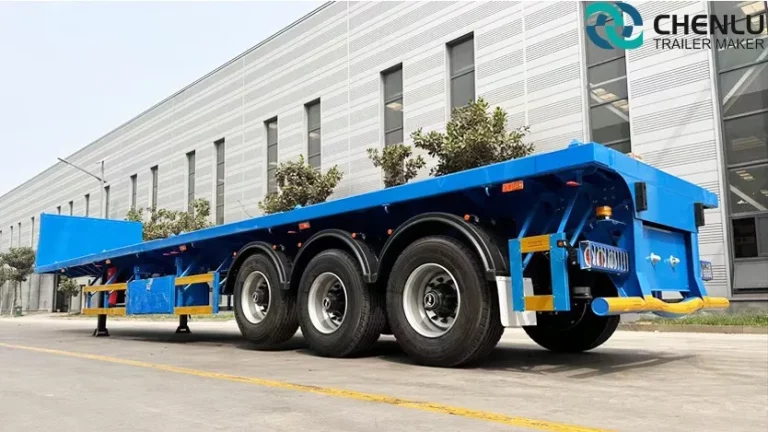
Flatbed trailers are among the most flexible trailer choices. They have an open platform, so they can carry steel coils, pipes, timber, machines, containers, and large pieces that do not fit inside a van body. Loading can happen from the side, rear, or top.
A flatbed is useful when your cargo is long, wide, or irregular. It also works well when cranes or a forklift handle loading and unloading. For construction sites, infrastructure projects, and industrial material transport, this trailer can save time.
Common flatbed advantages include:
- Easy access from different sides
- Strong frame for heavy cargo
- Flexible tie-down points
- Optional removable side boards
- Custom stake pockets, twist locks, and toolboxes
- Good fit for container and bulk cargo transport
Still, an open trailer needs good load securing. Chains, straps, corner protectors, and covers matter. If the goods must stay dry, a side curtain or enclosed model may be better.

Are Dry Van Trailers the Best Choice for General Cargo?
Dry van trailers are enclosed models for general goods. They protect cargo from rain, dust, and road dirt. In many markets, dry vans are common for retail goods, packaged products, furniture, cartons, and pallet freight.
A van model is a smart choice when your customer needs clean and secure transport. A 53 ft dry van is common in North America, while other regions may use different lengths based on local laws. Buyers should check door height, inner width, floor strength, and side wall material.
Dry van selection checklist:
| Artikel |
What to Check |
| Length |
Local legal limits and cargo volume |
| Boden |
Wood, steel, or reinforced options |
| Door |
Swing door or roller door |
| Side panel |
Steel, aluminum, or composite |
| Achse |
Load and road rules |
| Security |
Locking system and seal points |
For high-volume logistics, a dry van trailer can reduce damage and improve cargo safety. But it is not the best choice for oversized goods, wet bulk, or machinery. That is why a careful buyer should match the trailer type to daily work, not just price.
Why Do Reefer Trailers and Refrigerated Trailers Need Special Design?
Reefer trailers are made for goods that need temperature control. They use insulation and refrigeration units to keep stable cold or frozen conditions. These models are important for food, seafood, flowers, medicine, and other perishable cargo.
A reefer does more than refrigerate goods. It must keep the temperature even during long trips, door openings, hot weather, and waiting time at customs. Good sealing, floor airflow, insulation thickness, and body structure all matter.
Refrigerated trailers are often more expensive than dry vans because they include cooling units, insulated panels, stronger floors, and better sealing. But for cold chain companies, that cost protects the cargo value.
Simple cold chain priority chart:
| Priority |
Importance |
| Stable temperature |
█████ |
| Sealed body |
█████ |
| Easy cleaning |
████ |
| Fuel efficiency |
████ |
| Service access |
███ |
If your business carries food or medical goods, do not choose only by the lowest quote. Ask about insulation material, panel bonding, door seal, airflow, and cooling unit compatibility.
How Do Lowboy Trailers, Step Deck, and Drop Deck Models Help Haul Heavy Loads?
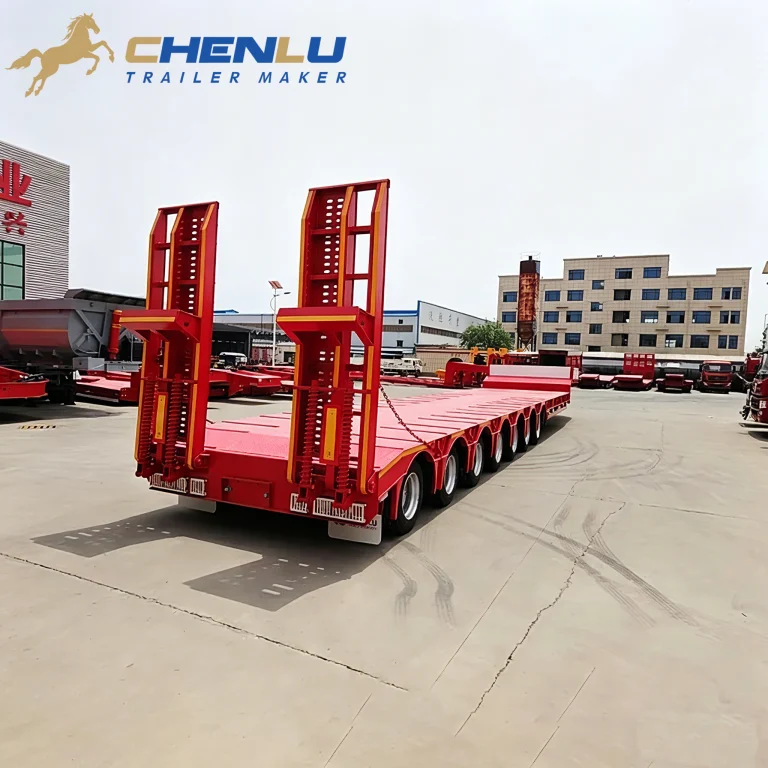
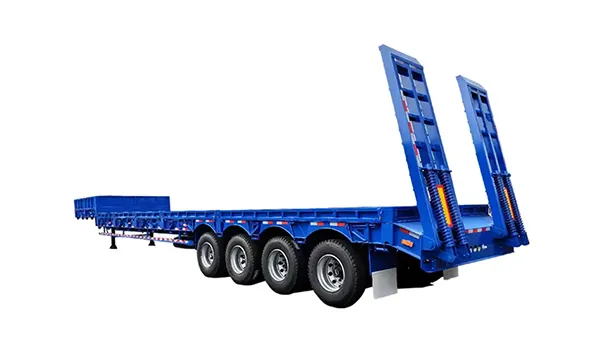
Lowboy trailers carry machines that are too tall or too heavy for normal platforms. Their lower deck height gives more vertical clearance. This helps transport excavators, cranes, loaders, a bulldozer, and other construction equipment.
A lowboy usually has a strong main beam, heavy-duty suspension, and reinforced ramps or a detachable gooseneck. Some buyers choose a removable gooseneck when they need front loading for machines with low clearance.
A step deck or drop deck trailer has two levels. The front deck sits higher, and the main deck sits lower. This layout helps move tall cargo without using a full lowboy. It is useful for machinery, tanks, containers, and industrial parts.
| Model |
Best Use |
Main Benefit |
| Lowboy |
Heavy machines |
Low deck height and high strength |
| Drop deck |
Tall cargo |
More height clearance |
| Step deck |
Mixed machinery and cargo |
Flexible loading space |
| Removable gooseneck |
Heavy equipment |
Easier front loading |
If you haul heavy machinery, do not only ask, “How many tons can it carry?” Ask about beam height, steel grade, ramp angle, hydraulic system, axle brand, suspension, and braking. These details protect your fleet and your driver.
When Are Tank Trailers, Tipper, and Dump Trailers the Right Choice?
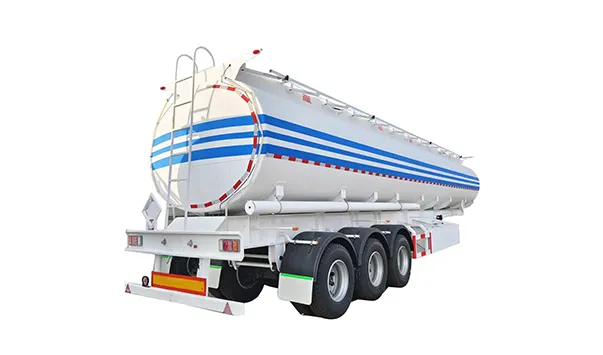
Tank trailers carry liquid cargo such as fuel, chemical liquid, edible oil, or water. A fuel tanker for petroleum transport needs safe material, proper welding, anti-wave plates, valves, and sometimes separated compartments. For chemical use, material choice is even more important.
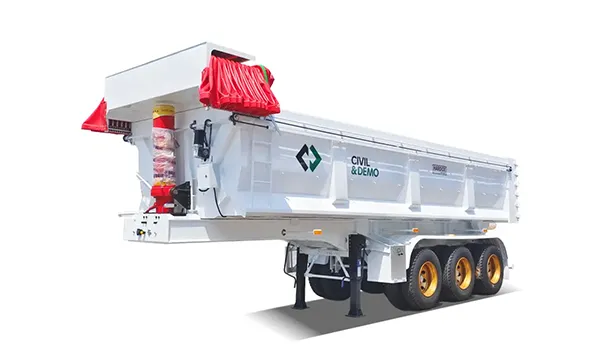
A tipper or dump model is made for bulk goods like sand, stone, coal, ore, and construction waste. Dump trailers unload by lifting the body with a hydraulic system. Some models use rear dumping, while end dumps are common for simple and fast unloading.
Bulk cement models handle dry bulk materials. They often use a tank body and pneumatic discharge system. This is common for cement plants, construction projects, and powder logistics operators.
| Cargo |
Recommended Model |
| Fuel or liquid chemical |
Tanker trailer |
| Cement powder |
Schüttgutanhänger für Zement |
| Sand or gravel |
Dump model |
| Ore or coal |
Heavy-duty tipper |
| Grain or powder |
Hopper or pneumatic unit |
These trailers need strong safety control. Valve layout, weld testing, discharge speed, anti-corrosion treatment, and local transport rules are all important. A serious manufacturer should discuss these points before giving a final price.

Should You Buy New Trailers for Sale or Used Semi-Trailers?
Many buyers compare new trailers for sale with used semi-trailers. Used equipment can look cheaper at first. For some short-term jobs or rental fleets, that may make sense. But used units may have hidden frame cracks, old axles, worn brakes, poor wiring, or weak floors.
New OEM production gives you better control. You can choose axle number, suspension, color, tire brand, landing gear, brake system, side wall height, floor plate, toolboxes, and local compliance. This is useful for dealers, project buyers, and fleet companies that need stable supply.
Here is a practical comparison:
| Option |
Advantage |
Risiko |
| New custom trailer |
Built for your work |
Higher first cost |
| Used model |
Lower purchase price |
Unknown history |
| Rental |
Flexible short-term use |
No ownership control |
| Factory-direct OEM |
Better match and price |
Needs clear specs |
If your fleet runs daily, new trailers often reduce long-term risk. If your project lasts only a few months, rental or used options may work. The key is to calculate total cost, not only purchase price.
How Can OEM / ODM Trailer Design Support Your Hauling Needs?
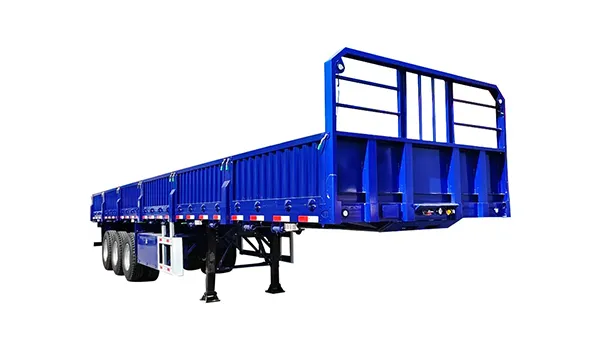
OEM / ODM service means the trailer can be built around your real business. As a China-based manufacturer, we support buyers who need custom flatbed, skeleton, side curtain, sidewall, lowbed, tanker, bulk cement, dump, car carrier, and trailer parts solutions.
A good trailer design starts with questions:
- What cargo do you carry?
- What is the maximum payload?
- What road conditions do you face?
- Do you need container locks?
- Do you need ramps or side boards?
- What local regulations apply?
- How often will the trailer run?
- What truck model will pull it?
For example, a mining company may need reinforced suspension and thicker floor plates. A port logistics company may need twist locks and fast container handling. A fuel company may need a safe compartment layout. A dealer may need flexible models that match several markets.
Mini Case Study: Custom Solution for a Heavy Equipment Hauler
A heavy equipment hauler needed a trailer to move excavators and a bulldozer between job sites. A normal flatbed could not provide enough deck height clearance or safe ramp angle. The customer also needed stronger axle performance and better stability on rough roads.
We recommended a lowboy solution with reinforced beams, suitable axles, wide ramps, and optional hydraulic support. The result was safer loading, better road stability, and improved equipment movement between construction sites.
The lesson is simple: the right trailer is not always the cheapest model. It is the model that fits your work, protects your cargo, and keeps your fleet moving.
How to Choose the Right Semi Trailer Manufacturer?
The manufacturer matters as much as the model. A strong factory should understand welding, steel selection, load testing, painting, export packing, shipping, and after-sales support. For overseas buyers, communication also matters. Clear drawings and fast answers reduce costly mistakes.
When you compare suppliers, look at:
| Factor |
Warum es wichtig ist |
| Factory experience |
Reduces design mistakes |
| Welding quality |
Protects frame life |
| Custom ability |
Matches local jobs |
| Quality control |
Reduces after-sales issues |
| Export experience |
Helps delivery and documents |
| Engineering support |
Improves project fit |
| Stable pricing |
Supports long-term cooperation |
As a professional trailer manufacturer, we focus on practical B2B needs. We design and export heavy-duty models for container logistics, bulk transport, liquid transport, mining, energy, port work, and infrastructure projects. We do not want to sell only one unit. We want to support long-term fleet growth.
What Information Should You Send Before Requesting a Quote?
A clear inquiry helps the factory give a better quote. It also saves time. Many buyers only ask for a price, but price depends on size, axle number, material, suspension, tire brand, body thickness, and many other details.
Please prepare:
- Trailer model or application
- Cargo type and weight
- Required payload
- Working road conditions
- Country or target market
- Preferred axle and suspension
- Length, width, and height
- Loading method
- Quantity
- Special requests for color, logo, parts, or documents
For example, a flatbed for steel transport is not the same as a flatbed for containers. A tank body for fuel is not the same as one for water. A lowbed for a 30-ton excavator is not the same as one built to haul heavy mining equipment.
The more details you share, the more accurate the solution becomes.
FAQs About Semi Trailer Selection
What is the difference between a semi trailer and a full trailer?
A semi trailer has no front axle and depends on the tractor for front support. A full trailer usually has both front and rear axles and can support itself. Semi models are common for heavy transport because they offer strong load capacity and better fleet flexibility.
Which trailer type is best for container transport?
A skeleton model is usually best for container transport. It uses twist locks to secure 20 ft, 40 ft, or other container sizes. Some flatbed models can also carry containers, but skeleton models are lighter and more focused on container logistics.
Are flatbed trailers suitable for bulk cargo?
Flatbed trailers can carry many kinds of bulk or large cargo if the goods can be secured safely. For loose sand, gravel, coal, or grain, a dump, hopper, or enclosed bulk model is usually better.
When should I choose a lowboy instead of a flatbed?
Choose a lowboy when the machine is too tall or too heavy for a normal flatbed. The low deck lowers the total transport height. It is a better choice for excavators, bulldozers, cranes, and other oversized machines.
Can I customize axle number and suspension?
Yes. Axle number, suspension type, tire model, landing gear, brake system, side wall height, ramps, toolbox, paint color, and logo can often be customized. The best configuration depends on payload, road law, and working conditions.
Is a new custom trailer better than a used one?
For long-term fleet use, a new custom model is often safer and more reliable. Used units may be cheaper at first, but they can carry hidden problems. New production gives you better control over structure, parts, and compliance.
Wichtigste Erkenntnisse
- A semi trailer must match your cargo, road conditions, and business model.
- Flatbed models work well for steel, machines, containers, and large cargo.
- Dry vans protect boxed goods, pallet freight, and clean commercial cargo.
- Reefer and refrigerated models are needed for cold chain and perishable goods.
- Lowboy, step deck, and drop deck models help move tall or heavy machinery.
- Tank, bulk cement, tipper, and dump models need careful safety and discharge design.
- New OEM / ODM trailers can reduce long-term risk and improve fleet efficiency.
- The right manufacturer should offer engineering support, strong welding, quality control, export experience, and stable cooperation.
- Before asking for a quote, share your cargo type, payload, market, road conditions, truck model, and special requirements.
- A well-built trailer is more than transport equipment. It is a long-term tool for safer, faster, and more profitable hauling.



 16. Juni 2026