Langsames Beladen, schlechter Zugang und unzureichender Wetterschutz können die Transportkosten schnell in die Höhe treiben. Bei einem Pritschenauflieger sind die Güter möglicherweise ungeschützt, während ein geschlossener Kofferauflieger den seitlichen Zugang einschränken kann. Ein gut konzipierter Sattelauflieger mit Seitenvorhang löst beide Probleme, indem er flexible Handhabung mit einem überdachten Laderaum verbindet.
Ein Planenauflieger ist ein Sattelauflieger mit festem Dach und fester Endkonstruktion sowie verschiebbaren Seitenplanen. Er bietet den Betreibern einen breiten seitlichen Zugang, ähnlich wie bei einem Pritschenauflieger, und gleichzeitig einen Wetterschutz, der dem eines geschlossenen Aufliegers nahekommt. Er wird üblicherweise für palettierte Güter, Maschinenteile, verpackte Materialien und Stückgut eingesetzt.
Was ist ein Planenauflieger?
Ein Planenauflieger ist ein Fracht-Sattelauflieger, der aus einer festen Ladefläche, einem Dachrahmen, einer Stirnwand, einer Heckkonstruktion und beweglichen Stoffwänden besteht. Diese flexiblen Seitenwände lassen sich entlang von Schienen verschieben oder einziehen, sodass die Mitarbeiter einen großen Teil des Laderaums für die seitliche Beladung öffnen können.
Viele Modelle verfügen zudem über nach hinten schwenkbare Türen. Das bedeutet, dass der Bediener je nach Lager, Baustelle, Hafen oder Verteilzentrum von beiden Seiten oder von der Rückseite des Anhängers aus be- und entladen kann.
Diese Bauart ist auch als Curtainside-Auflieger, Curtain-Auflieger oder Seitenvorhang-Auflieger bekannt. Manche Käufer suchen nach einem “Seitenvorhang-Sattelauflieger”, obwohl die Begriffe „Curtainside-Sattelauflieger“ und „Curtainsider“ gebräuchlichere Produktbezeichnungen sind.
Die Grundidee ist einfach:
Kombinieren Sie die Zugangsvorteile eines Pritschenwagens mit einigen der Vorteile eines geschlossenen Aufbaus in Bezug auf Abdeckung und Rückhaltung.
Laut CHENLU’Laut der Beschreibung des Aufbaus verfügt ein Curtainsider über ein festes Dach und eine feste Endkonstruktion mit beweglichen Seitenwänden, die sich für einen breiten Zugang öffnen und während des Transports schließen lassen. Er ist so konzipiert, dass er eine flexible Handhabung ermöglicht und die Ladung gleichzeitig abgedeckt bleibt. Lesen Sie den CHENLU-Leitfaden zum Curtainsider-Anhänger.
Aus Sicht des Herstellers ist dieses Produkt weit mehr als nur ein Fahrgestell mit einer Plane. Dach, Stützen, Schienen, Ladefläche, Trennwand, Heckrahmen, Fahrwerk, Bremsen, Achsen, Vorhangsystem und Befestigungspunkte müssen nahtlos zusammenwirken.
Marke und Modell sollten übereinstimmen:
- Abmessungen der Ladung
- Zielnutzlast
- Ladeausrüstung
- Ladehöhe
- Straßenverhältnisse
- Vorschriften für Achsen
- Lieferhäufigkeit
- Lokales Klima
- Wartungsressourcen

Schiebeplanen-Sattelauflieger Export nach Afrika
Wie funktioniert ein Sattelauflieger mit Planenseite?
Die Seitenverkleidungen verlaufen in der Regel entlang einer oberen Schiene und werden an der Unterkante des Aufbaus befestigt. Vor dem Beladen löst der Bediener die Spannvorrichtungen und Schnallen. Die flexible Seite kann dann nach vorne oder hinten geschoben werden.
Dadurch ist die Ladung über einen Großteil der Anhängerlänge hinweg leicht zugänglich. Die Mitarbeiter müssen nicht jede Palette durch eine schmale Öffnung am Heck transportieren.
Ein Gabelstapler kann seitlich heranfahren und die Güter direkt auf die Ladefläche abstellen. Diese Anordnung ist nützlich bei:
- Lagerhallen
- Vertriebszentren
- Fabriken
- Anschlüsse
- Lieferketten im Einzelhandel
- Baustoffhöfe
- Lieferfahrten mit mehreren Zwischenstopps
Nachdem die Ladung verstaut wurde, verschließt und spannt der Bediener die Abdeckung, überprüft die Hecktüren und bringt die erforderlichen Sicherungsvorrichtungen im Laderaum an.
Die Seitenverkleidung sollte nicht automatisch als primäre Ladungssicherung angesehen werden. In den Leitlinien der britischen Fahrer- und Fahrzeugnormungsbehörde (DVSA) wird erläutert, dass Standardvorhänge in der Regel nicht verhindern können, dass ungesicherte Güter seitlich verrutschen. Betreiber benötigen möglicherweise weiterhin Zurrgurte, Schnallenriemen, Netze, Unterlegmaterial, Reibungsmaterialien oder eine passgenaue Platzierung. Siehe die offiziellen DVSA-Leitlinien zur Ladungssicherung.
Ein normaler Betriebsablauf könnte wie folgt aussehen:
- Überprüfen Sie das Deck, die Relinge, die Schnallen, die Türen und die Rückhaltevorrichtungen.
- Öffnen Sie eine oder beide flexiblen Seiten.
- Stellen Sie das Fahrzeug neben die Laderampe oder die Hebevorrichtung.
- Laden Sie die Güter gemäß dem Gewichtsverteilungsplan.
- Sichern Sie jede Sendung mit der richtigen Befestigungsmethode.
- Die Seitenverkleidungen schließen und festziehen.
- Überprüfen Sie die gegenüberliegende Seite und die hintere Konstruktion.
- Überprüfen Sie die Ladung nach jedem Lieferstopp erneut.
Was sind die wichtigsten Vorteile eines Curtainside-Anhängers?
Der erste Vorteil ist die Schnelligkeit. Ein Curtainsider lässt sich an beiden Seiten über einen Großteil der Länge öffnen, sodass die Mitarbeiter nicht jede Palette durch die Hecktüren transportieren müssen.
Dadurch lassen sich die Be- und Entladezeiten verkürzen, insbesondere wenn mehrere Paletten an verschiedene Standorte geliefert werden müssen.
Der zweite Vorteil ist die Vielseitigkeit. Curtainsider liegen zwischen offenen und geschlossenen Fahrzeugen. Sie können eine breite Palette an Gütern transportieren und bieten gleichzeitig einen nützlichen Schutz vor Witterungseinflüssen.
Der dritte Vorteil ist eine einfachere tägliche Handhabung. Bei einem Fahrzeug mit offener Ladefläche müssen die Mitarbeiter unter Umständen eine lose Plane anbringen, spannen, entfernen, zusammenfalten und verstauen. Bei einem Curtainsider bleibt die Abdeckung fest mit der Karosserie verbunden.

Sattelauflieger für Container- und Massenguttransporte
Vorteile von Seitenvorhangausrüstungen
Effizientes Be- und Entladen: Große seitliche Öffnungen ermöglichen den Einsatz von Laderampen, Gabelstaplern und bestimmten Kranen.
Einfacher Zugriff: Die Mitarbeiter können auf Waren zugreifen, die im vorderen, mittleren oder hinteren Bereich gelagert sind.
Wetterschutz: Das Dach und die geschlossenen Seitenwände schützen die Ladung vor normalem Regen, Staub, Spritzwasser und Sonneneinstrahlung.
Komfort bei mehreren Haltestellen: Die Besatzung kann an jedem Zielort nur den benötigten Abschnitt öffnen.
Weniger manuelles Abdecken mit Planen: Die befestigte Abdeckung erspart das wiederholte Hantieren mit losen Planen.
Operative Flexibilität: Ein und dasselbe Gerät kann in Fabriken, Lagern, bei Distributoren und auf Baustellen eingesetzt werden.
Markensichtbarkeit: Große Seitenvorhänge bieten Platz für Firmenfarben und Logos.
Planenauflieger bieten eine praktische Transportlösung für Unternehmen, die sowohl Zugang als auch Abdeckung benötigen. Aus diesem Grund gelten sie allgemein als einer der flexibelsten gängigen Aufliegertypen für den allgemeinen Güterverkehr.
Planenauflieger im Vergleich zu Pritschenauflieger, Kofferauflieger und Seitenwandauflieger
Die Wahl der richtigen Ausrüstung hängt davon ab, was Sie transportieren und wie die jeweilige Standortstelle die Sendung abwickelt. Es gibt keinen Körpertyp, der für jede Route am besten geeignet ist.
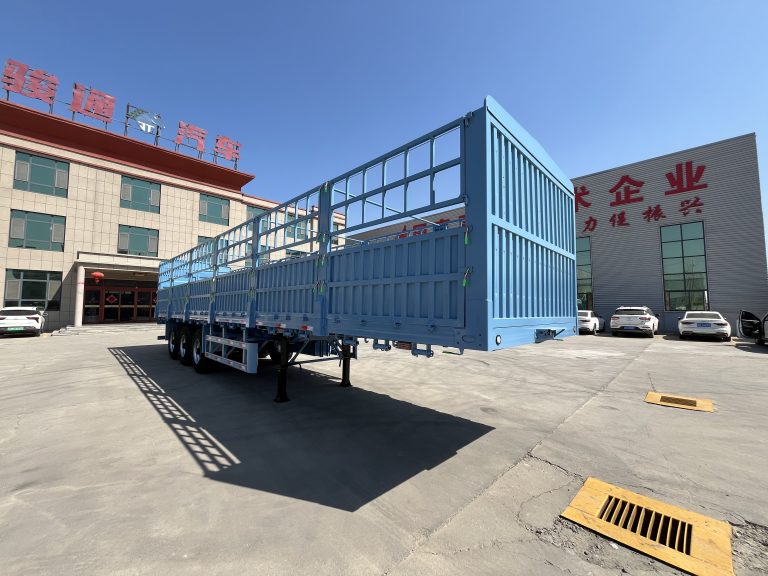
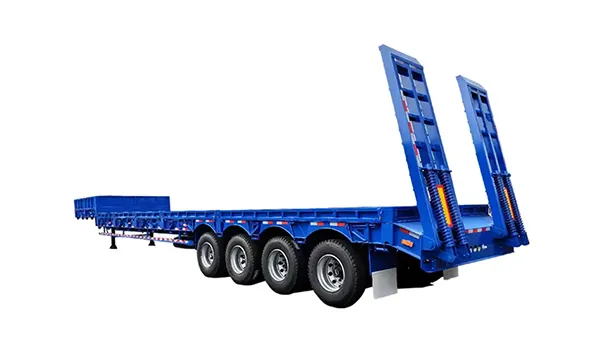
Ein Pritschenwagen bietet den besten freien Zugang. Ein Kastenwagen umschließt die Ladung vollständig. Ein Sattelauflieger mit Seitenwänden verfügt über starre Seitenwände. Ein Curtainsider bietet ein ausgewogenes Verhältnis zwischen Zugänglichkeit und Abdeckung.
| Anhängertyp |
Seitlicher Zugang |
Wetterschutzhülle |
Typische Vorgehensweise |
Allgemeine Verwendung |
| Planenauflieger |
Hervorragend |
Geeignet für normale Betriebswetterbedingungen |
Seite, Rückseite, Dockingstation |
Paletten und verpackte Waren |
| Flachbett |
Hervorragend |
Erfordert eine Plane oder eine separate Abdeckung |
Seite, Rückansicht, Draufsicht, Kran |
Stahl, Holz und Maschinen |
| Trockenfracht-Lkw |
Begrenzt |
Starker, geschlossener Schutz |
Hauptsächlich hinterer Andockbereich |
Kartons und sichere Stückgüter |
| Seitenwand-Anhänger |
Gut, wenn sich die Paneele öffnen |
Eingeschränkt, sofern nicht gesondert abgedeckt |
Seite, Rückseite, Oberseite |
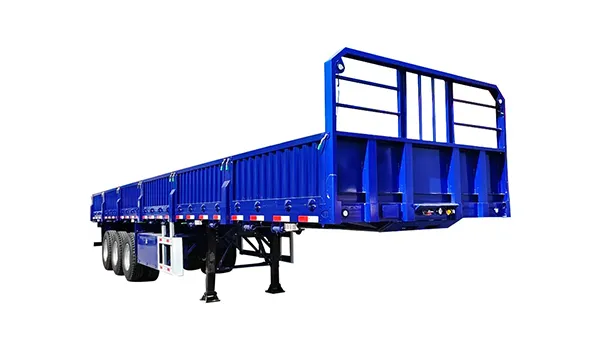
Landwirtschaft und Baustoffe |
| Container-Chassis |
Sehr begrenzt |
Der Behälter dient als Umhüllung |
Auf- und Abladen |
Hafen- und intermodaler Betrieb |
Zu den Vorteilen eines geschlossenen Anhängers zählen eine stabilere Umhüllung und eine höhere Sicherheit für bestimmte empfindliche Ladungen. Allerdings können Kastenanhänger den seitlichen Zugang erschweren, da die Mitarbeiter die Ladung in der Regel über die Rückseite umladen.
Ein Curtainsider verbessert die Zugänglichkeit, ohne die Ladefläche vollständig offen zu lassen.
Ein Conestoga-Anhänger ist eine weitere ähnliche Option. Er verfügt in der Regel über eine aufrollbare Konstruktion aus Plane und Rahmen, die sich zurückziehen lässt, um die Ladefläche freizulegen. Bei einer Curtainside-Ausführung bleibt der Dachrahmen in der Regel feststehend, während sich die flexiblen Seitenwände öffnen lassen.
Beide sind Spezialanhänger, doch ihre Bauweise, ihre lichte Höhe, ihre Wartungsanforderungen und ihre idealen Einsatzbereiche können sich unterscheiden.
| Ausführungspriorität |
Bessere Startoption |
| Maximale Kranreichweite und Zugang von oben |
Flachbett |
| Robustes Gehäuse und Sicherheit |
Trockenfracht-Lkw |
| Schneller Zugriff von beiden Seiten |
Planen-LKW |
| Lose landwirtschaftliche Materialien |
Seitenwand- oder Zaunanhänger |
| Beförderung von ISO-Containern |
Skelett-Fahrgestell |
| Bagger und Baumaschinen |
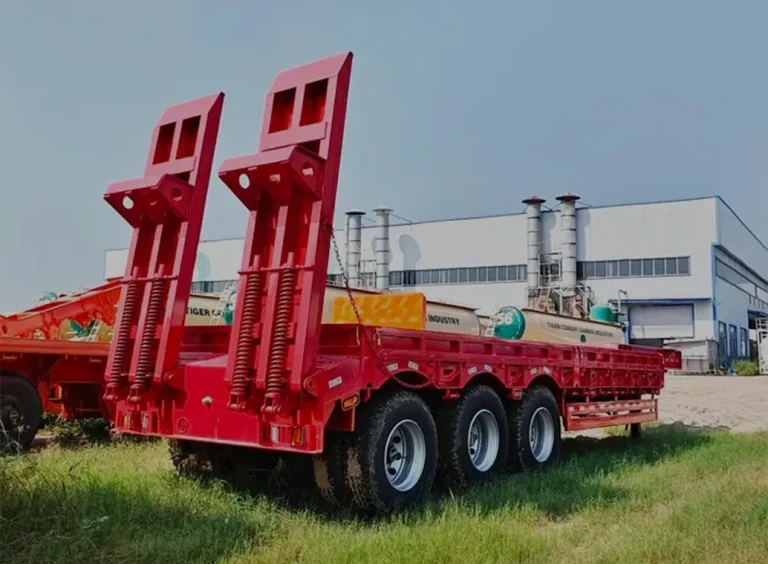
Tieflader oder Lowboy-Anhänger |
Wie wählt man den richtigen Planenanhänger aus?
Die Wahl des richtigen Curtainside-Anhängers hängt in erster Linie von der Ladung ab.
Notieren Sie die längste, breiteste, höchste und schwerste Einheit. Halten Sie fest, ob die Sendung auf Paletten, in Regalen, in Säcken, in Kisten oder auf Gestellen angeliefert wird.
Anschließend überprüfen:
- Streckenlänge
- Straßenbelag
- Ladehöhe
- Verfügbarer Wendeplatz
- Lokales Klima
- Fördertechnik
- Lieferhäufigkeit
- Nationale Gewichtsvorschriften
- Verfügbarkeit von Ersatzteilen
Fallstudie: Einsatz eines Planenaufliegers in der afrikanischen Logistik
CHENLU’s Auf der offiziellen Projektseite werden Planen-Sattelauflieger beschrieben, die nach Afrika exportiert werden und für palettierte und gemischte Güter vorgesehen sind.
Im Rahmen des Projekts wurde Folgendes hervorgehoben:
Konstruktion aus hochfestem Stahl
Kontrolliertes Gesamtgewicht
Zugang von beiden Seiten
Schnellere Abwicklung
Unterstützung für zeitkritische Verteilung
Eignung für palettierte und gemischte Güter
Der Fall verdeutlicht den Hauptzweck des Designs: eine flexible Frachtabfertigung, ohne dass die Sendung vollständig ungeschützt bleibt.
Lesen Sie mehr über das CHENLU-Projekt für Planenauflieger in Afrika.
Die Erkenntnis ist nicht, dass eine einzige Lösung für jeden afrikanischen Markt geeignet ist.
Straßenbeläge, Achslastvorschriften, Temperaturen, Staubbelastung, Verfügbarkeit von Ersatzteilen, Transportkosten und Wartungsbedingungen unterscheiden sich von Land zu Land.
Ein besserer Prozess ist:
- Bestätigen Sie die Route.
- Bestätigen Sie die Ware.
- Informieren Sie sich über die örtlichen gesetzlichen Grenzwerte.
- Legen Sie die Vorgehensweise fest.
- Wählen Sie das Fahrgestell und das Fahrwerk aus.
- Geben Sie die Schutzausrüstung und die Rückhaltevorrichtungen an.
- Planen Sie Ersatzteile und Kundendienstleistungen.
CHENLU’Das breitere Angebot an Container- und Schüttgutaufbauten folgt derselben Logik. Pritschen-, Skelett-, Planen- und Seitenwandmodelle werden getrennt aufgeführt, da jede Bauart ein anderes Umschlagproblem löst.



 25. Juli 2026