Abmessungen von Sattelaufliegern: Leitfaden zu Länge, Breite und Typen
12. August 2026
Technisches Team von CHENLU Trailer | Technik und Exportunterstützung für Sattelauflieger | Aktualisiert am 12. August 2026
Die Abmessungen von Sattelaufliegern lassen sich nicht pauschal in Zahlen festlegen. Länge, Breite, Ladeflächenhöhe und Achsanordnung variieren je nach Ladung, Aufbau des Aufliegers, Vorschriften am Bestimmungsort und Zugfahrzeugkombination. Käufer sollten die veröffentlichten Abmessungen als Ausgangspunkt betrachten und vor der Produktion eine Projektzeichnung genehmigen.
Die Abmessungen des Anhängers müssen auf die Ladung, die Strecke und die Anforderungen an die Zugmaschine abgestimmt sein.
Die Abmessungen von Sattelaufliegern auf einen Blick
Die nachstehende Tabelle vergleicht die maßgeblichen Abmessungsvorgaben für gängige CHENLU-Anhängerkategorien. Sie ersetzt weder eine Modellzeichnung noch die im Einsatzland geltenden gesetzlichen Grenzwerte.
Anhängertyp
Öffentlich angezeigte CHENLU-Konfiguration
Maße noch zu bestätigen
Typische Überlegungen zur Ladung
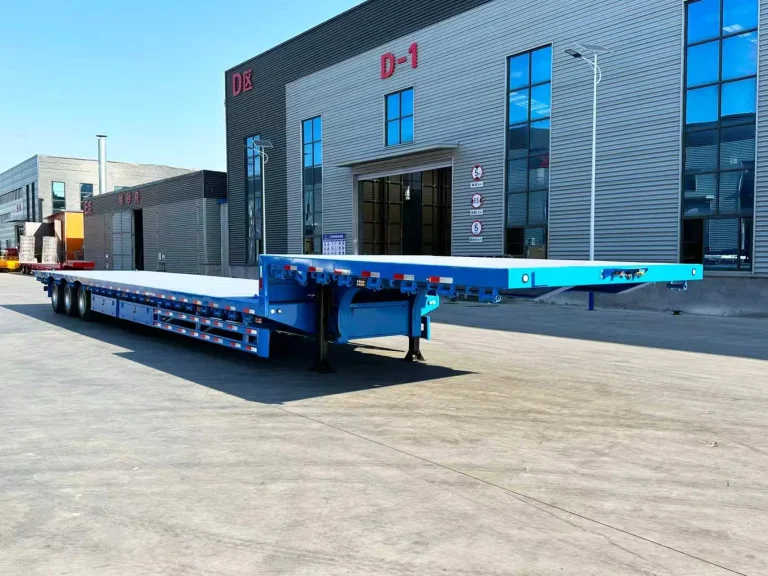
Flachbett-Sattelauflieger
3-, 4- und 5-Achs-Varianten; abgebildet sind 40-Fuß-Modelle
Gesamtlänge, nutzbare Ladelänge, Ladeflächebreite, Ladeflächenhöhe und Twist-Lock-Positionen
20-, 40- oder 45-Fuß-Container, Stahl, Holz und palettierte Fracht
Skelett-Containeranhänger
Abgebildet ist eine 2-Achs-Konfiguration für 20- bis 40-Fuß-ISO-Container
Rahmenlänge, Achsschenkelposition, hinterer Überhang und Twist-Lock-Anordnung
Containergröße und Gewichtsverteilung
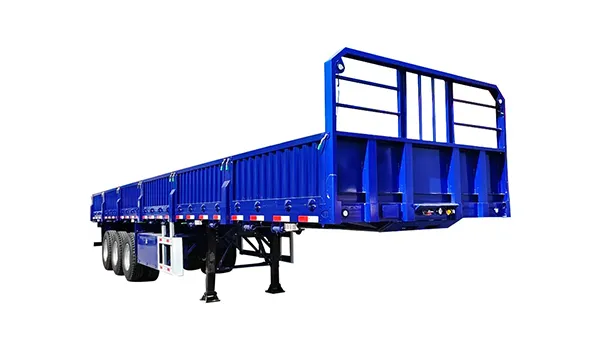
Anhänger mit Umzäunung oder Seitenwand
3-, 4- und 5-achsige Zaunmodelle; abgebildet sind dreiachsige Modelle mit Seitenwänden
Ladeflächengröße, Seitenwand- oder Umzäunungshöhe, Anordnung der Öffnungen und Ladevolumen
Sackware, landwirtschaftliche Erzeugnisse, Baustoffe und Stückgut
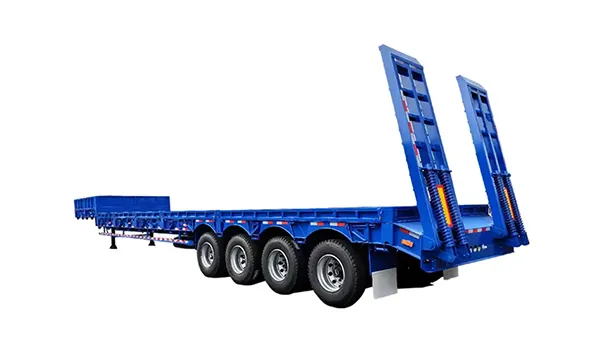
Tieflader-Sattelauflieger
Abgebildet sind 3-Achs-Modelle mit einer Tragfähigkeit von 80 Tonnen
Geringe Ladelänge, Ladeflächebreite, Ladehöhe im beladenen Zustand, Rampenwinkel und Schwanenhalsgeometrie
Länge, Breite, Höhe, Gewicht und Bodenfreiheit der Maschine
Abnehmbarer Schwanenhals-Anhänger
Ein ausgestelltes Modell misst etwa 16.000 × 3.000 × 2.500 mm
Ladehöhe, Ladefreiraum vorne, Ladeflächenlänge und Achsabstand
Schwermaschinen, die von vorne auf das Deck fahren müssen
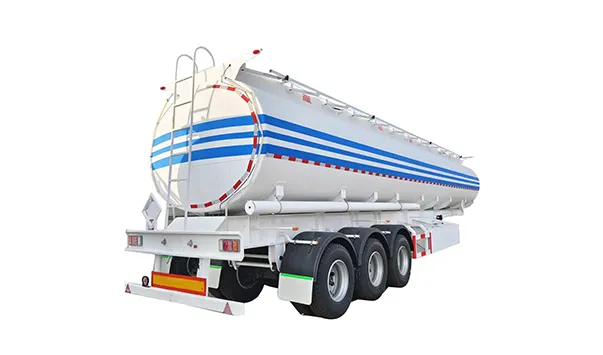
Tankwagen für Kraftstoff oder Pulver
3- und 4-achsige Tankwagen; abgebildet ist die Baureihe der Zementtankwagen mit 30–60 m³ Fassungsvermögen
Gesamtabmessungen, Tankdurchmesser, Anordnung der Kammern, Entleerungsvorrichtungen und Bodenfreiheit
Dichte der Flüssigkeit, Tankvolumen, Aufteilungsplan und Entladungsmethode
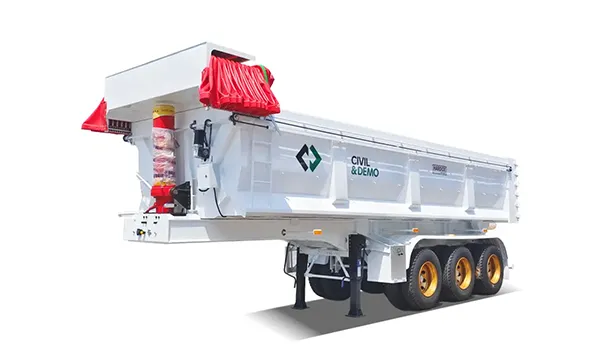
Kipp-Sattelauflieger
Abgebildet sind eine 3-Achs-Kippwagenkonfiguration und eine 4-Achs-Konfiguration mit 80 Tonnen Nutzlast
Aufbaulänge, Breite, Seitenwandhöhe, Kippfreiraum und hinterer Überhang
Frachtdichte, Verladeausrüstung und Platz am Entladeort
Die oben genannten Werte beziehen sich auf die Konfigurationen, die im öffentlichen Produktkatalog von CHENLU aufgeführt sind. Die endgültige Länge und Breite des Sattelaufliegers hängen vom gewählten Modell und den Projektanforderungen ab.
Welche Maße gehören in die Genehmigungszeichnung?
Ein Angebot, in dem lediglich die Gesamtlänge und -breite angegeben sind, reicht für die technische Zulassung nicht aus. In der Zeichnung sollten die Maße angegeben sein, die sich auf die Beladung, die Anpassung an den Traktor und den Einsatz im Straßenverkehr auswirken.
Gesamtlänge: Messen Sie vom vordersten Punkt des Anhängers bis zum hintersten festen Punkt. Prüfen Sie, ob Rampen, Heckstoßstangen oder andere Ausrüstungsteile mit einbezogen sind.
Nutzbare Deck- oder Rumpflänge: Dies ist der Raum, in dem tatsächlich Ladung transportiert werden kann. Er kann kürzer sein als die Gesamtlänge des Anhängers.
Gesamtbreite und nutzbare Breite: Trennen Sie die äußere Hülle von der freien Ladefläche zwischen den Seitenstrukturen.
Höhe im unbeladenen und beladenen Zustand: Die Ladeflächenhöhe ändert sich, wenn sich die Federung unter Last durchbiegt. Berechnen Sie für den Maschinentransport die Gesamtladehöhe anhand des höchsten festen Punktes der Maschine.
Kingpin-Position: Die Position des Achsschenkels beeinflusst die Bodenfreiheit des Traktors, das Lenkverhalten und die Lastverteilung.
Radstand und hinterer Überhang: Diese Abmessungen beeinflussen die Achslasten, die Manövrierfähigkeit und die Einhaltung lokaler Vorschriften.
Bodenfreiheit und Böschungswinkel: Diese sind auf Bergbaustraßen, Baustellen, Rampen und unebenen Hafenplätzen unverzichtbar.
Bitten Sie den Lieferanten, für jede Abbildung einen Maßbezugspunkt anzugeben. Begriffe wie “Deck-Länge” oder “Gesamthöhe” können andernfalls vom Käufer, vom Hersteller und vom Prüfteam unterschiedlich ausgelegt werden.
Wie sich Länge, Breite und Höhe je nach Anhängertyp ändern
Flachbett- und Containeranhänger
Ein Flachbettanhänger vereint eine durchgehende Ladefläche mit Containerverriegelungen oder Ladungssicherungspunkten. Bei einem Skelettanhänger entfällt der größte Teil der Ladefläche, und der Container wird über den Rahmen und Drehverschlüsse abgestützt. Beide können für den Containertransport eingesetzt werden, unterscheiden sich jedoch hinsichtlich ihrer nutzbaren Fläche, ihres Eigengewichts und ihrer Flexibilität bei der Beladung.
CHENLU präsentiert öffentlich 40-Fuß-Pritschenmodelle sowie Konfigurationen für 20-, 40- und 45-Fuß-Container. Die genaue Spezifikation hängt weiterhin von der Containerkombination, dem zulässigen Hecküberhang, der Lage des Königszapfens und den örtlichen Vorschriften zur Gesamtlänge ab. Käufer, die verschiedene Konfigurationen vergleichen möchten, können die Ratgeber zum Kauf von Tiefladern.
Tieflader und Anhänger für Schwerlastgeräte
Die Auswahl eines Tiefladers richtet sich in erster Linie nach den Abmessungen der Maschine und nicht nach der Nennlänge des Anhängers. Notieren Sie das Betriebsgewicht der Maschine, die Aufstandsfläche der Ketten oder Reifen, die Gesamtbreite, die Transporthöhe, die Bodenfreiheit und den Schwerpunkt. Stellen Sie anschließend fest, ob Heckrampen, ein klappbarer Schwanenhals oder ein abnehmbarer Schwanenhals den erforderlichen Ladewinkel ermöglichen.
Eine breitere oder längere Ladefläche kann das Beladen erleichtern, kann jedoch zu Einschränkungen bei der Routenwahl und beim Wenden führen. CHENLU’s Mehrachsiger Tieflader veranschaulicht, wie Schwerlastkonstruktionen über die übliche dreiachsige Anordnung hinausgehen können, wenn die jeweilige Anwendung eine andere Lastverteilung erfordert.
Tankwagen und Kippanhänger
Die Abmessungen eines Tankwagens richten sich nach dem Ladungsvolumen, der Ladungsdichte, dem Tankmaterial, der Anzahl der Kammern und der Entladevorrichtung. Ein abgebildeter Aluminium-Tankwagen kann einen anderen Durchmesser oder eine andere Achsanordnung aufweisen als ein Kraftstofftankwagen aus Kohlenstoffstahl mit ähnlichem Nennvolumen, da sich das Leergewicht und die baulichen Anforderungen unterscheiden.
Die Abmessungen von Kippanhängern hängen eng mit der Ladungsdichte zusammen. Ein Aufbaukörper mit großem Volumen eignet sich nicht automatisch für dichtes Gestein oder Erz. Die Größe des Aufbaus, die Nennlast, das Hydrauliksystem, die Achsanordnung und die Kippstabilität müssen gemeinsam geprüft werden. Der CHENLU Kippanhänger-Baureihe umfasst Konfigurationen für den Bau, den Bergbau und den Schüttgutumschlag.
Fünf Punkte, die Sie vor der Wahl der Größe eines Sattelaufliegers prüfen sollten
1. Erstellen Sie einen Frachtraum
Geben Sie die maximale Länge, Breite, Höhe und das maximale Gewicht der Ladung an. Bei Maschinen sind zudem die Kettenpositionen, die Laderichtung, Anbaugeräte und der Schwerpunkt anzugeben. Bei Containern sind alle Containergrößen und -kombinationen anzugeben, die der Anhänger befördern muss.
2. Überprüfen Sie die Routen- und Zielregeln
Die gesetzlichen Grenzwerte variieren je nach Land und manchmal auch je nach Straßenklasse oder Genehmigungskategorie. Informieren Sie sich über die Vorschriften hinsichtlich Gesamtlänge, -breite und -höhe des Fahrzeugs, Achslast, zulässigem Gesamtgewicht des Fahrzeugzugs sowie überstehenden Teilen. Für übergroße Ladungen sind unter Umständen Genehmigungen, Begleitfahrzeuge oder eine genehmigte Route erforderlich, selbst wenn der Anhänger selbst für den Straßenverkehr zugelassen ist.
3. Den passenden Traktor auswählen
Geben Sie das Traktormodell, die Sattelkupplungshöhe, die Sattelkupplungsposition, die Hinterachsanordnung und den verfügbaren Freiraum an. Eine Fehlanpassung kann zu einer ungeeigneten Kupplungshöhe, unzureichendem Schwenkfreiraum oder unerwünschter Achslast führen.
4. Abrechnung von Be- und Entladung
Überprüfen Sie die Ladehöhe, die Reichweite des Krans, die Zufahrt für Gabelstapler, die Rampenneigung, den Kippfreiraum, die Schlauchanschlüsse und den Entladeraum. Ein Anhänger, der für die Ladung geeignet ist, kann dennoch im Betrieb versagen, wenn er am Abgangsort nicht beladen oder am Bestimmungsort nicht entladen werden kann.
5. Maße vor der Produktion freigeben
Prüfen Sie eine Maßzeichnung, die den Anhänger, die Ladeposition und die Schnittstelle zur Zugmaschine enthält. Überprüfen Sie die Einheiten, Toleranzen und Sonderausstattungen und stellen Sie fest, ob die einzelnen Maße im beladenen oder unbeladenen Zustand ermittelt wurden. Tragen Sie die genehmigte Überarbeitung in die Auftragsunterlagen ein.
Häufige Fehler bei der Spezifikation
Die Verwendung einer Suchergebnisnummer als universeller Standard. Eine im Internet häufig angegebene Größe bezieht sich möglicherweise auf einen Markt oder eine Anhängerklasse.
Verwechslung der Nennlänge des Containers mit der Länge des Anhängers. Ein für einen 40-Fuß-Container konzipierter Anhänger ist nicht unbedingt insgesamt 40 Fuß lang.
Die geladene Höhe wird ignoriert. Die Federweglänge, die Reifengröße, die Aufbaukonstruktion und die Ladungsstützen beeinflussen alle die endgültige Höhe.
Auswahl des Ladevolumens ohne Berücksichtigung der Ladungsdichte. Dadurch kann es vorkommen, dass ein Kippanhänger oder Tankwagen überladen wird, bevor sein gesamtes geometrisches Volumen ausgeschöpft ist.
Achsen austauschen, ohne die Zeichnung zu überarbeiten. Die Anzahl der Achsen wirkt sich auf den Achsabstand, die Rahmenbelastung, das Fahrverhalten, die Reifenanzahl und den Wartungsaufwand aus.
Freigabe der Abmessungen ohne die Traktordaten. Die Geometrie von Anhänger und Zugfahrzeug muss als eine Einheit überprüft werden.
Häufig gestellte Fragen zu den Abmessungen von Sattelaufliegern
Wie lang ist ein Sattelauflieger in der Regel?
Es gibt keine weltweit einheitliche Standardlänge für alle Sattelauflieger. Die nutzbare Länge hängt vom Aufliegertyp, der Ladung, der Achsanordnung, der Zugmaschine sowie den Vorschriften am Bestimmungsort ab. Verwenden Sie eine Modellzeichnung und prüfen Sie die Einhaltung der örtlichen Vorschriften, anstatt sich auf einen allgemeinen Wert zu verlassen.
Wie breit ist ein Sattelauflieger?
Die Breite variiert je nach Markt und Anwendungsbereich. In der Genehmigungszeichnung sollten sowohl die Gesamtbreite als auch die nutzbare Ladefläche angegeben sein. Für Ladungen oder Anhänger, die die am Bestimmungsort geltende gesetzliche Breitengrenze überschreiten, sind unter Umständen Genehmigungen und Routenbeschränkungen erforderlich.
Hat ein 40-Fuß-Anhänger eine Gesamtlänge von genau 40 Fuß?
Nicht unbedingt. “40 Fuß” bezieht sich oft auf den Container oder die nominelle Ladeflächenkategorie. Der Königszapfenbereich, die vordere und hintere Karosserie, die Stoßstange und andere Bauteile können dazu führen, dass die Gesamtlänge des Anhängers von der nominellen Ladelänge abweicht.
Welche Abmessungen sind bei einem Tieflader am wichtigsten?
Überprüfen Sie die nutzbare Ladeflächenlänge, die Ladeflächenbreite, die Ladeflächenhöhe im beladenen Zustand, den Rampenwinkel, die Bodenfreiheit, die Geometrie des Schwanenhalses, den Achsabstand und die Gesamtlänge im beladenen Zustand, wenn die Maschine auf der Ladefläche steht.
Kann CHENLU die Abmessungen der Anhänger individuell anpassen?
CHENLU bietet Unterstützung bei der anwendungsspezifischen Konfiguration. Sonderabmessungen müssen vor ihrer Bestätigung im Hinblick auf Ladungsdaten, konstruktive Anforderungen, Kompatibilität mit Zugfahrzeugen, produziertechnische Machbarkeit und Vorschriften des Zielmarktes geprüft werden.
Bereiten Sie eine Maßanfrage für CHENLU vor
Bitte teilen Sie uns die Abmessungen und das Gewicht der Ladung, das Bestimmungsland, die zu befahrenden Straßen, die Daten der Zugmaschine, die gewünschte Achsanordnung sowie die Beladungsmethode mit. CHENLU kann dann eine projektspezifische Konfiguration und Zeichnung zur technischen Prüfung erstellen. Kontaktieren Sie CHENLU Trailer um die erforderlichen Abmessungen des Sattelaufliegers zu besprechen, bevor Sie ein endgültiges Angebot anfordern.
Wir werden Ihnen innerhalb von 24 Stunden antworten. Wenn für dringenden Fall, fügen Sie bitte WhatsApp/WeChat: 86-15628801159,. Oder rufen Sie direkt 86-15628801159 an.
*Wir respektieren Ihre Vertraulichkeit und alle Informationen sind geschützt.
Wir verwenden Ihre Daten nur zur Beantwortung Ihrer Anfrage und senden Ihnen niemals unaufgefordert E-Mails oder Werbenachrichten.



 12. August 2026